



A poor needle valve choice can cause leaks, bad readings, unstable flow, and costly shutdowns. It gets worse in high-pressure lines where small errors grow fast. The fix is simple: choose a needle valve built for the right media, pressure, material, and sealing job.
A needle valve is a precision shut-off and regulation valve used to regulate and isolate gas or fluid in instrumentation lines. On gasboosterpump.com, the YJGV and YJGVH series are high-pressure instrument needle valve products designed for reliable isolation, flow control, and instrument protection, with pressure ratings up to 690 bar and testing to API 598.
What is a needle valve and how does it work?
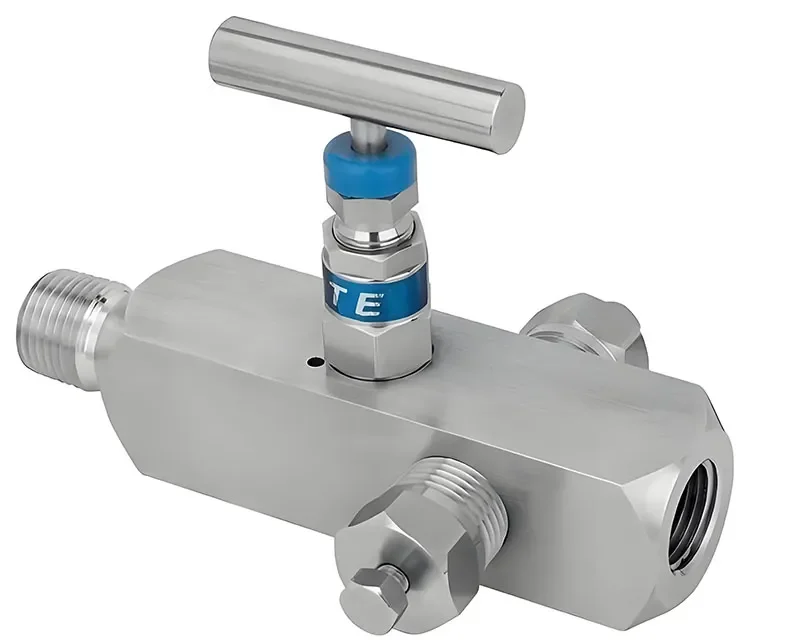
A needle valve is a compact isolation and regulating valve built for careful flow adjustment in instrument and process lines. Its core working part is a slender, needle-shaped plunger or pointed stem tip that moves into and out of a small orifice. As the tip moves, it can open or close the path in very fine steps, which makes it useful when you need very exact control instead of simple on-off service. On the product page, Highlight describes its YJGV and YJGVH series as high-pressure isolation and control valves for instrument protection and flow regulation.
In plain words, a needle valve helps you regulate a line slowly and safely. That matters when a sudden change in flow rate could harm equipment, upset a reading, or create hydraulic shock. Because the opening is small and the internal geometry has a strong taper, the valve can make fine adjustments more easily than many other valve types. That is why needle valves are available in many instrumentation and pressure-measurement duties.
On this site, the design includes a forged body, a precision valve stem, adjustable packing, and reinforced sealing structure. The page also says the needle valve has back-seat sealing in the fully open position and an upper stem thread isolated from the process media. Those details are there for service life, smoother operation, and lower leakage risk.
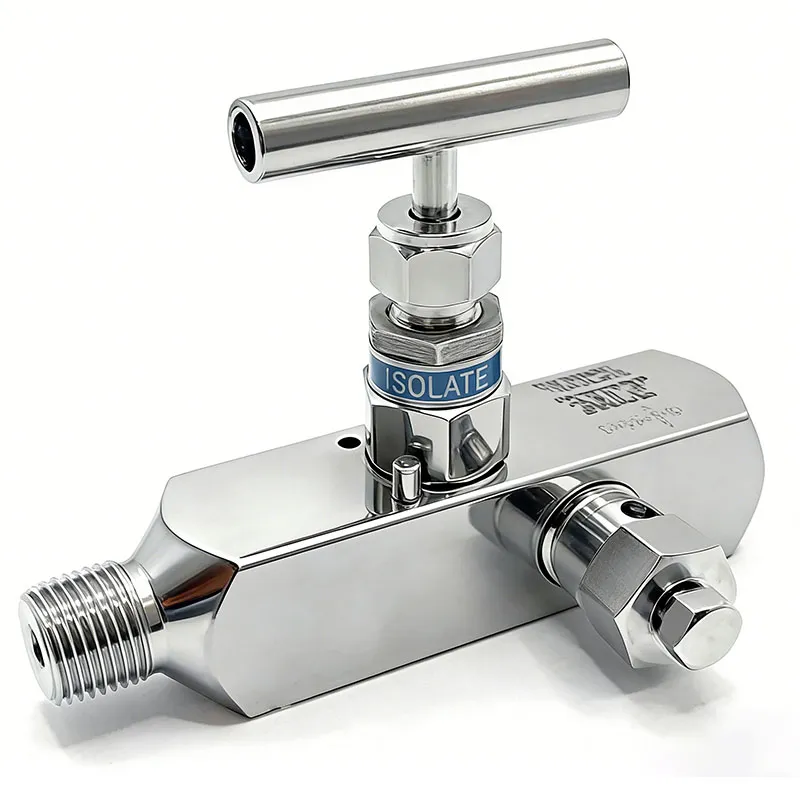
Why is precise flow control so important in gas and liquid systems?
In high-pressure systems, small changes can have big effects. A little too much gas flow can distort a reading. A little too little can slow a process or weaken a test. That is why precise flow control matters. A good needle valve gives accurate flow adjustment when an operator needs to protect an instrument, control a purge line, or stabilize a test loop. Highlight’s page positions these valves for precision pressure isolation and flow control in industrial systems, especially where reliable shut-off and sealing integrity matter.
This matters in both gas and liquid service. In a pressure measurement line, a stable valve helps protect a transmitter and a pressure gauge from pressure surges. In a test bench, it helps control the control of flow into a small line or test point. In a thermal or steam system, it helps the operator regulate pressure and media movement more carefully. The site lists instrumentation systems, high-pressure gas and fluid lines, steam service, and process control pipelines among the common uses.
When I look at these applications, the main buyer concern is simple: do you need a valve that just opens, or do you need one that can meter and isolate at the same time? If the answer is fine regulation, low leak risk, and steady performance, then a needle valve is usually the better type of valve.
What are the main types of needle valves?
There are many types of needle valves in the market, but buyers usually sort them by pressure range, body pattern, end connection, packing style, and application. Some are general low-pressure utility models. Others are built for instrumentation. The current Highlight page focuses on high-pressure instrument needle and gauge valves, especially the YJGV and YJGVH series. These are designed for shut-off and regulation in demanding systems rather than light utility jobs.
A buyer can also think of types in terms of function. There are isolation-focused valves, vent or bleed styles, gauge valves, and designs with optional test ports. Highlight lists optional bleed and test-port configurations on the page, which is useful when the valve must serve both monitoring and maintenance needs. This is part of modern valve technology for instrumentation lines where one compact device can do more than one job.
Another way to view types of needle valves is by operating method. Some are standard manual models, and some are more specialized. In this article, the focus is the industrial manual needle type used in fixed systems. That is the most common design for pressure lines where the user needs precise control and dependable shutoff in a compact package.
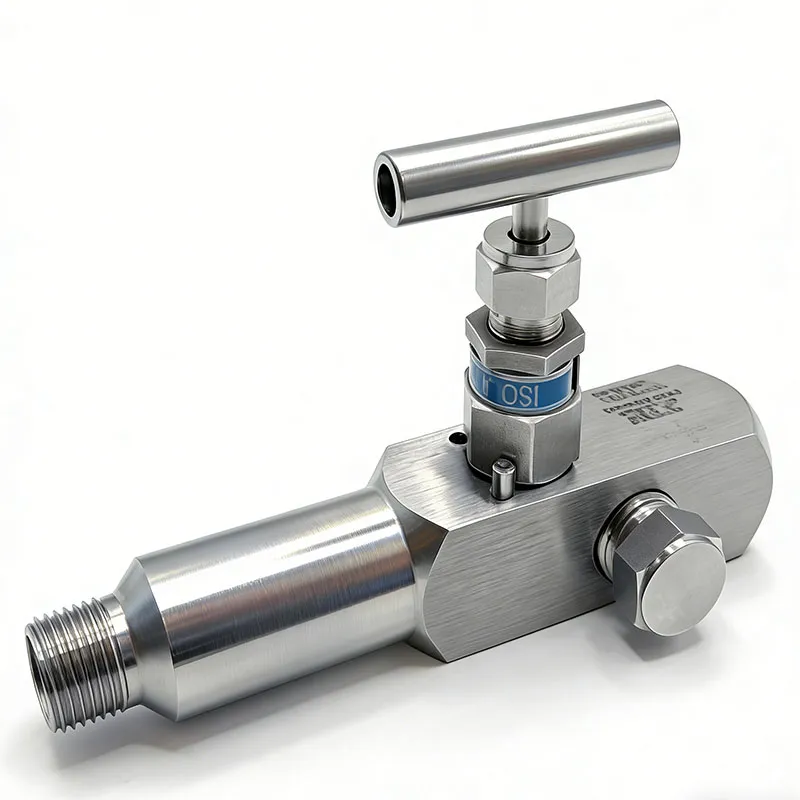
What materials matter most: 316 stainless steel, carbon steel, or brass?
Material choice changes service life, sealing behavior, and cost. The current product page says the Highlight needle valve line is available in carbon steel or 304/316 stainless steel. The detailed material table lists a stainless 316 body and wetted parts for the stainless version, along with hardened lower stem and molybdenum disulfide lubricant. That makes the line suitable for demanding industrial systems where strength and corrosion resistance matter.
What about brass? In the broader market, brass and brass body valves are common in lighter-duty instrumentation, utility service, and lower-cost applications. But the page here is clearly aimed at higher pressure industrial users, not general low-pressure fittings. That is why the site emphasizes steel and brass choices in a general market sense less than forged carbon steel and stainless designs for high-pressure conditions. Highlight’s listed line is focused on stronger industrial construction, especially for gas, steam, and high-pressure fluid systems.
If you are choosing between stainless steel and brass, ask three things. First, what media will pass through the valve? Second, what pressure and temperature will it see? Third, what service life do you expect? For aggressive media or demanding pressure-and-temperature duties, 316 stainless steel often wins because of better durability and broader chemical suitability.
How do thread, NPT, and connection details affect the right needle valve choice?
A needle valve can fail a project even when the internal design is good if the end connection is wrong. The product page lists 1/2-inch and 3/4-inch NPT sizes, plus optional bleed and test-port configurations. That tells us the product is aimed at common industrial instrument piping layouts rather than consumer fittings.
Connection style matters because thread type affects sealing, installation speed, maintenance, and compatibility with other hardware. A tapered pipe thread uses interference sealing, while some other systems rely on ferrules or face seals. If your plant standard is female NPT, you should confirm the exact size, body pattern, and any needed port options before ordering. Small details in thread format can create major installation delays later.
This is also where accessories matter. A buyer may need a tube fitting, a bleed port, or a nearby pressure gauge port to support flow-metering and isolation tasks. The right valve is not only about pressure; it is about how the whole line goes together.
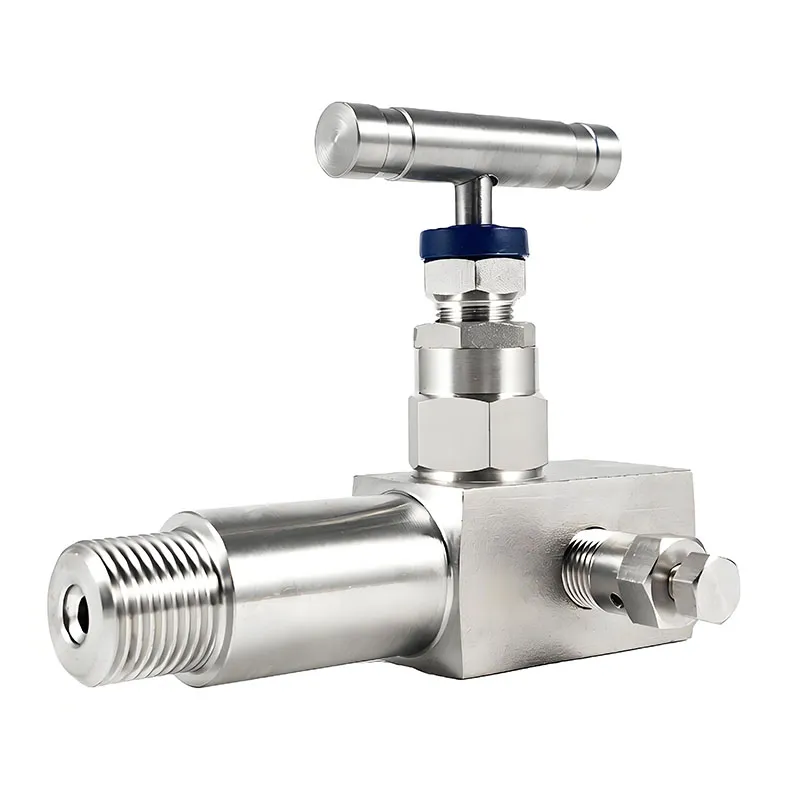
What needle valve advantages make them suitable for high-pressure instrumentation?
The page gives a strong list of needle valve advantages. It mentions higher pressure resistance up to 690 bar, wider temperature capability with graphite packing, improved sealing reliability through a back-seat structure and hardened stem, and reduced leakage risk because the lower stem does not rotate against the packing. These are all practical features for a high-pressure instrument valve.
For instrumentation users, these advantages are easy to translate into benefits. A better seal means fewer shutdowns. A hardened stem and controlled motion improve service life. A non-rotating lower plunger reduces packing wear. A small, tapered opening supports low flow and precise flow adjustment. Put simply, the design aims to keep the line stable while helping the user control flow with confidence.
I also like that the site emphasizes individual factory pressure and leakage tests plus API 598 procedures. In my experience, buyers in oil and gas, chemical processing, and lab environments care about that a lot. They want high-pressure parts that are not only designed well, but also tested the same way every time.
What are the advantages and disadvantages of a needle valve?
The advantages and disadvantages of a needle valve depend on the application. The biggest strengths are accuracy, shutoff quality, and fine throttling. Because the valve has a pointed tip, small orifice, and controlled movement, it can handle low flow rate adjustments better than many fast-action valves. It is excellent when the operator must regulate a line carefully, prevent surge, and get precise flow at a small scale.
The limits are just as important. A needle valve is not usually the best valve for high-volume quick opening duties. It is also slower to cycle than a quarter-turn valve. If the line needs fast full-flow operation or simple repetitive open-close action, another product may be better. This is why buyers should match the needle valve functions to the real task instead of using one style everywhere.
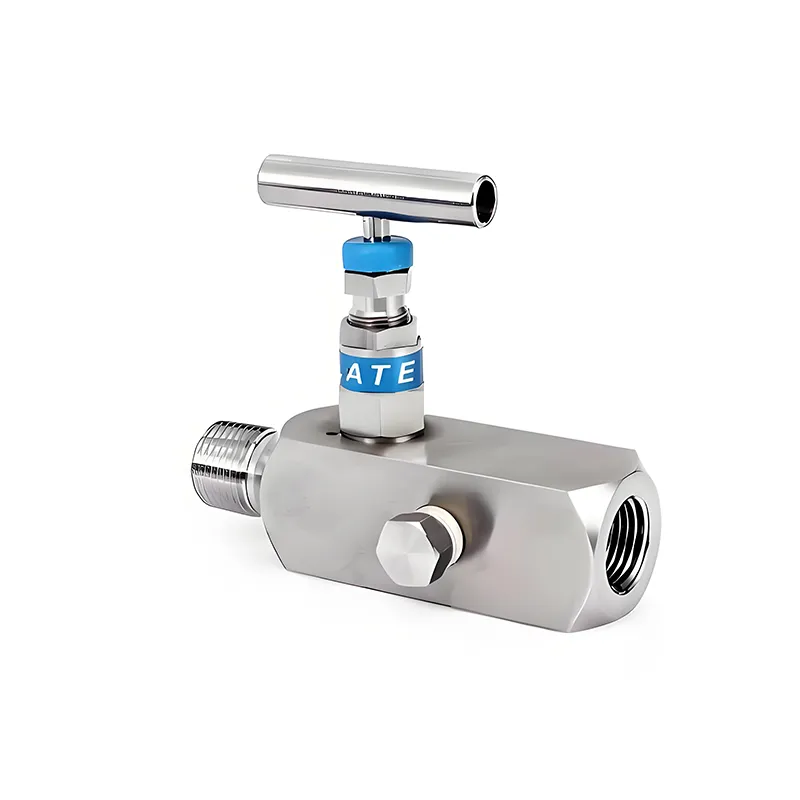
How do you choose the right valve for your range of applications?
Start with the media. Is it dry gas, steam, hydraulic fluid, or another process medium? Then define the working pressure, temperature, connection style, and required flow rate. On Highlight’s product page, the target uses include instrumentation and pressure measurement systems, high-pressure gas and fluid control lines, chemical processing, energy facilities, industrial automation, and process pipelines. That tells us the design is aimed at serious industrial duty, not household service.
Next, look at the mechanical design. Does the needle valve have a forged body, hardened valve stem, reliable valve seat geometry, and tested sealing performance? Does it have a back-seat feature and isolated upper thread? These details matter more than marketing language because they directly affect wear, leakage risk, and long-term performance. Highlight explicitly lists these design features for the YJGV and YJGVH series.
Finally, choose a supplier, not just a part. The homepage positions Highlight as a manufacturer of high-pressure testing equipment and fluid control systems that offers customization, PLC/HMI options, remote diagnostics, and after-sales support for global B2B users. That is relevant because many buyers do not need just one valve; they need a supplier that understands pressure systems, testing, and long-term support.
Typical applications at a glance
Here are the applications listed on the product page, which also show the valve’s broad range of applications:
- Instrumentation and pressure measurement systems
- High-pressure gas and fluid control lines
- Steam service and thermal systems
- Chemical processing and energy facilities
- Industrial automation and process control pipelines
Those use cases show why valves are commonly used in both shutoff and control applications. In these lines, the need is not just to stop media. It is to stop or throttle it carefully.
Preguntas frecuentes
What does a needle valve do?
A needle valve isolates and throttles media in a line. It is used when the user needs slow, stable, and accurate adjustment rather than simple fast on-off action. Highlight’s product page specifically positions its line for isolation, regulation, and instrument protection.
Is a needle valve good for gas service?
Yes, many instrument-grade models are used for gas service. The Highlight page explicitly lists high-pressure gas and fluid control lines among the typical applications.
Does the product come in brass?
The current Highlight product page lists carbon steel and 304/316 stainless steel versions. It does not list a brass version on this page.
Why is PTFE packing important?
PTFE packing supports sealing over a defined temperature range and affects adjustment feel and service limits. Highlight lists PTFE from −54 °C to 232 °C and graphite to 649 °C.
How do I pick the correct needle valve?
Choose based on media, pressure, temperature, connection type, and the level of throttling precision you need. Then confirm materials, packing, and test standards such as API 598.