



Poor valve testing leads to missed leaks, failed shipments, rework, and safety risk. When one valve passes on paper but fails in service, the cost spreads fast. A well-matched valve test bench gives you controlled, repeatable testing before that happens.
A valve test bench is specialized test equipment used to verify valve shell strength, sealing performance, gas tightness, and, in some applications, functional or set-pressure behavior. On your site, Highlight’s valve test bench range covers hydraulic testing for gate, ball, globe, check, and butterfly valve products from DN15 to DN2000, with models designed around hydrostatic sealing verification, shell testing, and low-pressure gas tightness inspection.
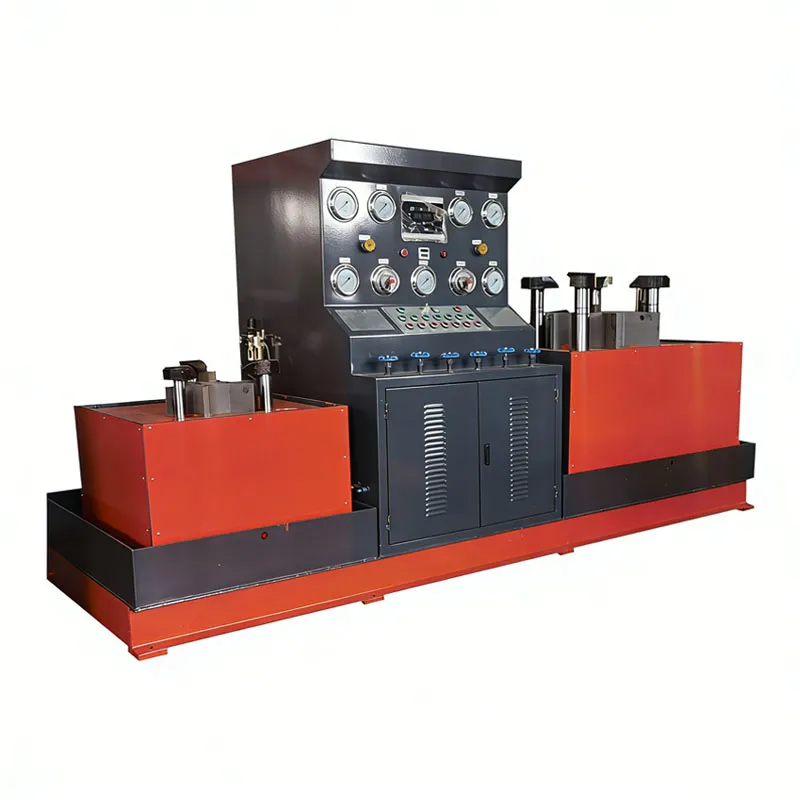
At Highlight, the strength of the business is not just one bench. It is the combination of high-pressure fluid control know-how, practical fixture design, and custom testing solutions for global B2B buyers. Your overseas customers—valve manufacturers, oil and gas companies, chemical plants, power projects, fire equipment makers, distributors, and third-party labs—care about stable results, compliance, customization, and long-term service. That is exactly why the right valve test bench matters so much in purchasing decisions.
What Is a Valve Test Bench and Why Does Valve Testing Matter?
A valve test bench is a dedicated bench or test rig used to hold, seal, and test an industrial valve under controlled pressure conditions. In practical terms, it helps teams confirm whether a valve body is strong enough, whether the seats seal correctly, and whether the unit can pass factory or project testing requirements before shipment or installation. Highlight’s own category page makes this clear by presenting the bench line as a full range of hydraulic valve test benches for precise pressure testing, sealing verification, and shell strength evaluation.
Why does this matter? Because the cost of poor valve inspection is never limited to the valve alone. A weak seal can delay commissioning. A failed shell test can stop a shipment. A bad report can damage supplier trust. In industries like oil and gas, chemical processing, power generation, and third-party lab verification, buyers do not just want a machine. They want reliable valve testing that protects quality, schedule, and reputation. Your website reflects that clearly through its application focus on labs, oil and gas, and chemical plants.
Which Valve Types Can a Valve Test Bench Test?
A strong valve test bench must cover a broad range of valve products. On your product page, Highlight states that its benches are available in multiple clamping configurations for gate valves, ball valves, globe valves, check valves, and butterfly valve designs from DN15 to DN2000. That product span is important because factories rarely produce just one style. They often need one bench family that can handle several product lines.
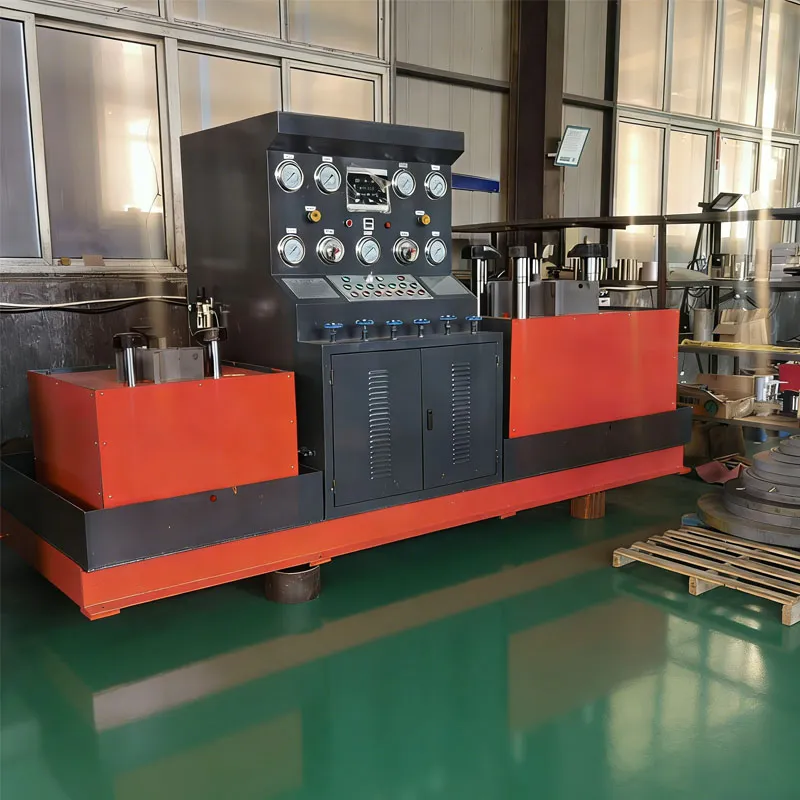
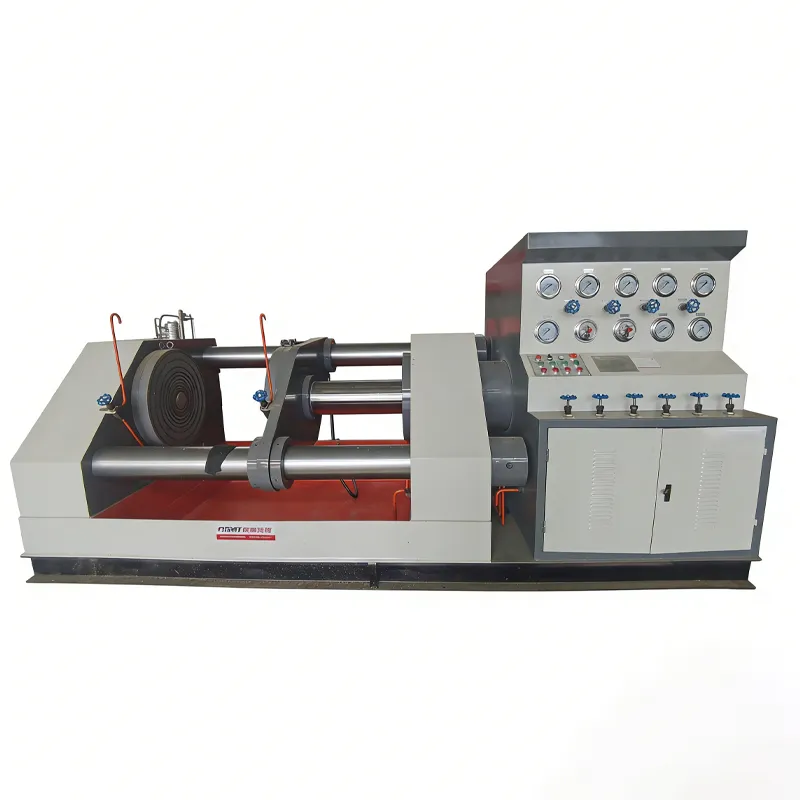
This is where fixture and structure design become important. A top-pressure bench may work very well for many flanged products. A claw-clamp structure may better suit some flange-body geometries. A dedicated butterfly bench is often needed because wafer and short face-to-face designs behave differently from longer gate or globe products. Your site explains this directly in the MDV-600 description, noting that butterfly valves are not compatible with standard valve test benches because of their short face-to-face length.
Common valves covered by your bench range
- gate valve
- ball valve
- check valve
- globe valve
- butterfly valve
- large flanged valves
- wafer-style valves
- some special/customized industrial valve structures
That broad coverage helps buyers reduce fixture duplication, save floor space, and create more efficient valve testing workflows.
What Tests Are Usually Performed on a Valve Test Bench?
A good valve testing system usually supports more than one test. Based on your site, Highlight’s benches are used for hydrostatic pressure testing, sealing verification, shell strength evaluation, and low-pressure gas tightness inspection. The recommended products section further explains specific methods, including shell strength tests at 1.5 times nominal pressure, high-pressure seal tests at 1.1 times nominal pressure, and low-pressure gas tightness tests at 4–7 bar for some models.
That means a typical valve test bench may support:
- shell pressure test
- sealing test
- gas tightness test
- hydraulic test
- some forms of leakage test
- workshop QC inspection
- project acceptance verification
For a buyer, that range is valuable. It means one bench can serve as both production test equipment and a technical quality-control station. It also means fewer handoffs and fewer opportunities for error in the factory.
Why Highlight Is a Strong Valve Test Bench Manufacturer for Global Buyers
Highlight’s positioning is clear: high-pressure fluid control and pressure testing equipment for global B2B users, with strength in gas boosting, liquid boosting, valve testing, hydrostatic testing, leak testing, and gas cylinder testing. On the valve bench pages, that positioning becomes concrete through product range, pressure capability, manual/PLC options, adaptable fixtures, and application fit for labs, oil and gas, chemical plants, and maintenance workshops.
For global buyers, that combination matters because they usually want five things from a valve test bench manufacturer:
- stable testing performance
- customization for actual valve dimensions
- support for standards and documentation
- long-term technical support
one supplier that understands the wider testing process
Highlight’s pages also reinforce this with direct messaging around customization, tailored systems, full on-site installation and commissioning support for large benches, and quote support for specific models. That is exactly the kind of reassurance that helps move B2B buyers from browsing to inquiry.
A good valve test bench does not only hold pressure. It protects your process, your report quality, and your customer trust.
FAQs
What is a valve test bench used for?
A valve test bench is used for valve testing such as hydrostatic pressure testing, sealing verification, shell strength evaluation, and low-pressure gas tightness checks, depending on the model and application. Highlight’s valve bench pages describe these functions across DN15 to DN2000 product ranges.
Which valves can be tested on Highlight valve test benches?
According to your product page, the bench range covers gate, ball, globe, check, and butterfly valve products, with different models for small, medium, large, flanged, and wafer-style designs.
What pressure range do your valve test benches support?
Your “Why Choose Our Valve Test Benches” section states that the range available is from 0.1 MPa to 80 MPa, depending on the model and configuration.
Do your valve test benches support manual and PLC control?
Yes. Your page states that Highlight benches support manual or full PLC-controlled operation, including touchscreen, data logging, and automated clamping options.
Why is a dedicated butterfly valve test bench necessary?
Because butterfly valves have a short face-to-face length and may be incompatible with standard valve test benches. Your MDV series uses dedicated hydraulic claw-clamping for butterfly valve hydrostatic shell testing, water sealing verification, and gas tightness inspection.
Can Highlight customize valve test benches?
Yes. Your site explicitly invites users to send specifications for sourcing or customization, and the large-diameter butterfly benches are described as custom-engineered to customer valve dimensions, pressure ratings, and test standards.