



A poor valve test result can delay shipment, raise rework costs, and hurt trust. When a valve fails a late-stage pressure test, the loss is bigger than the leak. A reliable valve test bench solves that by making workshop testing faster, safer, and more repeatable.
MDV-1200/15-2S 수평 클램프형 버터플라이 밸브 테스트 벤치는 버터플라이 밸브 테스트 벤치 응용 프로그램을 위한 전용 밸브 테스트 기계입니다. 압력 테스트, 밀폐 테스트, 버터플라이 밸브 수압 쉘 테스트 및 플랜지형 및 웨이퍼형 버터플라이 밸브의 4-7bar 저압 가스 밀폐성 검사를 위해 제작되어 공장이 품질 관리를 향상시키고 자신감 있게 배송하도록 도와줍니다.
What is the MDV-1200/15-2S valve test bench, and who is it for?
The MDV-1200/15-2S valve test bench is a purpose-built test station for butterfly products that need repeatable inspection before delivery or installation. In simple terms, this test bench is a dedicated setup for makers who cannot afford guesswork in the workshop. It supports workshop valve testing for manufacturers that need clean procedures, stable clamping, and clear pass/fail results.
From my view, this kind of system is especially valuable for companies serving demanding overseas markets. Buyers in oil and gas, power generation, and heavy process industries do not just want a valve. They want proof. They want records. They want a pressure test process that fits real export requirements. That is why a serious 밸브 테스트 벤치 matters.
This machine also aligns well with the positioning of a company focused on pressure testing equipment and fluid control, complete lines, and standalone testing equipment. For factories handling strict customer audits, a dependable valve testing platform is not optional. It is a real production asset.
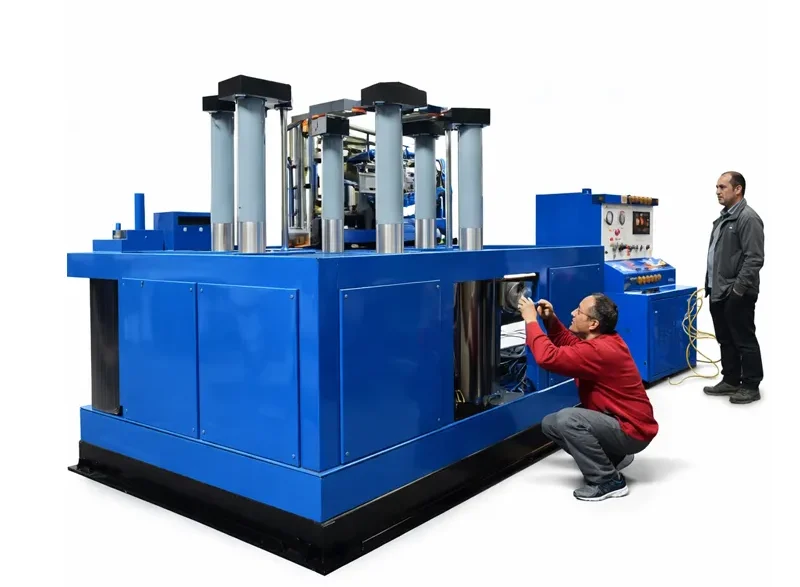
Why is a horizontal clamp-type design useful for butterfly valve testing?
A horizontal clamp-type layout gives operators a practical way to load, align, and secure a valve without the awkward movement often seen in less specialized setups. The machine features a horizontal structure that makes loading easier and helps the operator observe the full test procedures more clearly.
This matters even more for butterfly products because wafer-type butterfly valves and flanged models can vary in face-to-face dimensions. A well-designed horizontal clamp-type valve test bench can adapt to different valve face-to-face conditions and different valve face-to-face lengths with less manual adjustment. That saves time and reduces errors during workshop inspection.
The clamping concept is a major highlight. The bench uses a claw-type clamping system, sometimes described as a horizontal claw or horizontal “claw clamp arrangement. This design applies stable force to the valve and supports more accurate valve positioning before each pressure test begins.
What test items can this butterfly valve test bench complete?
This butterfly valve test bench is designed to handle several key test items in one integrated platform. Common specified test items include 1.5×PN hydrostatic shell test, routine sealing test, low-pressure gas tightness tests, and in some projects even high-pressure sealing test routines, depending on the customer’s specification and control setup.
For day-to-day production, the most important functions are usually butterfly valve hydrostatic shell testing and bar low-pressure gas tightness test procedures. These tests confirm whether the valve bodies can withstand the required load and whether the closure parts maintain the needed sealing performance. In export projects, this is critical for traceability and confidence.
Why do factories need both hydrostatic shell and low-pressure gas tightness testing?
A strong body does not always mean a tight shutoff. That is why one valve may pass a body strength check yet still fail in service. Hydrostatic strength testing checks whether the body and pressure-bearing parts can safely handle the required load. But low-pressure gas tightness tests show whether the sealing interfaces remain reliable under gas conditions.
That distinction matters in high-value projects. For instance, a valve serving high-pressure systems or plant shutdown duties may need both valve hydrostatic shell strength testing and 4–7 bar low-pressure gas tightness confirmation. One proves structural safety. The other proves sealing quality. Together, they provide fuller inspection coverage.
In practical factory terms, combining butterfly valve hydrostatic shell testing, bar low-pressure gas tightness test, and high-pressure sealing verification on one valve test bench gives the workshop a more complete decision base. It reduces shipment risk and supports cleaner audit records.
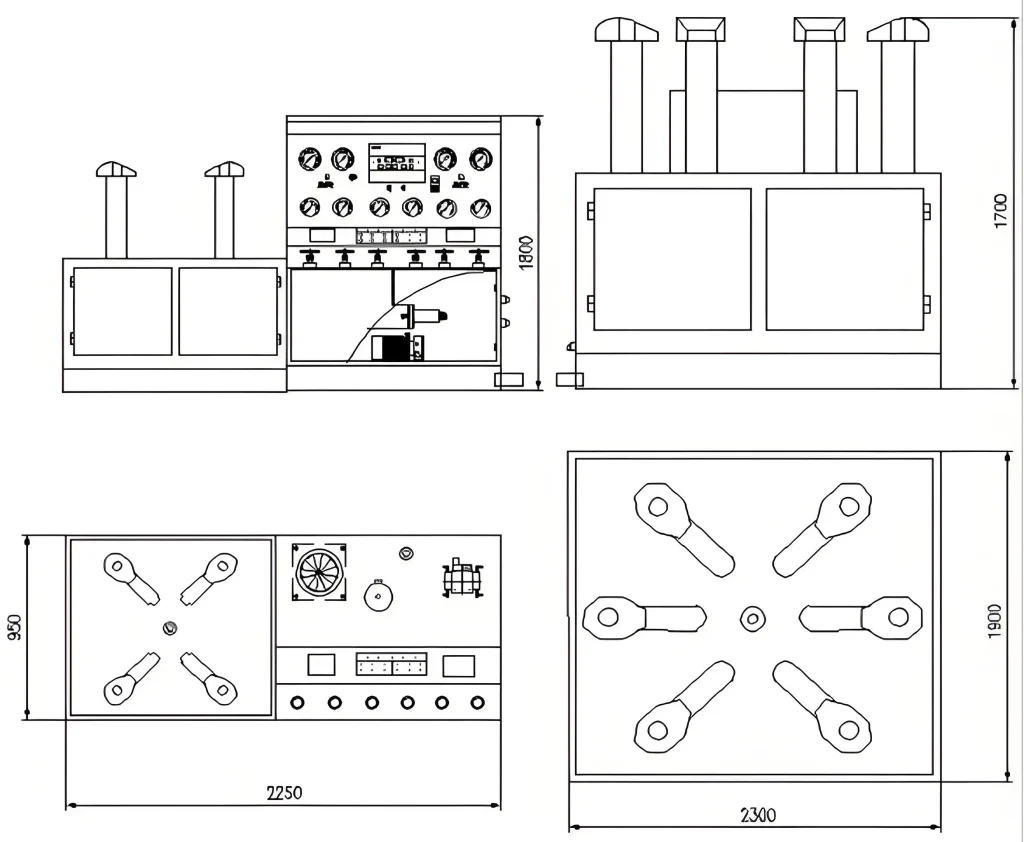
What makes this horizontal top-pressure valve test bench suitable for workshop use?
A good horizontal top-pressure valve test bench is not just about pressure. It is about workflow. This model uses a horizontal layout that supports easier loading, easier viewing, and smoother operator movement around the equipment. That is useful for workshop pressure inspection where pace and safety both matter.
The bench is also designed around integrated control. In other words, the valve test bench integrates hydraulic loading, clamping, and test execution into one practical station. That makes it a more efficient dedicated valve pressure testing machine compared with separate or semi-manual setups. In a busy plant, saving even a few minutes per valve adds up quickly.
Here is why many factories prefer this style:
- Easier loading of medium and large valve products
- Better visibility during sealing test and leakage observation
- More stable clamping for pressure test
- Better repeatability for workshop valve inspection
- Cleaner changeover between formats
That is also why some buyers search not only for a butterfly valve test bench, but also for a horizontal top-press valve test bench or horizontal top-pressure valve test bench when planning new workshop capacity.
How does the clamping and sealing structure improve stability?
Clamping stability is the difference between repeatable testing and wasted effort. This machine bench adopts a practical claw clamping solution that helps secure the valve with balanced force. The claw clamp valve test bench concept is simple: stable force in the right places, less slipping, less setup variation.
The entire sealing structure matters too. The valve and blind plate uses a stable contact arrangement, and end-face o-ring sealing helps reduce unwanted leakage at the ends. For a pressure test, that matters a lot. The goal is to check the valve, not the fixture. A smart test fixture design prevents false results caused by poor sealing at the connection points.
The benefit becomes clearer during repeated cycles. A weak structure can shift under pressure. A better system keeps the load applied to the valve body in a controlled way. That supports stable readings, more reliable sealing test results, and less downtime for fixture adjustment.
Where is this testing equipment used across industries?
This type of testing equipment is widely used anywhere dependable butterfly inspection is needed before shipment or installation. Typical users include valve manufacturers, service workshops, project contractors, and plants that run their own internal validation. It is a practical choice for industrial inspection, final assembly checks, and incoming quality review.
The strongest demand often comes from industries where leakage or body failure is expensive. That includes oil and gas, water treatment, chemical processing, marine systems, and power generation. In these sectors, buyers care about repeatable pressure test results, clear records, and reliable workshop execution.
A simple case helps explain it. Imagine a factory exporting a batch of butterfly units to an overseas EPC contractor. Without stable testing equipment and fluid control procedures, each valve may pass through a different method. But with one well-structured bench, the factory can run versatile valve testing, standardize records, and improve shipment confidence.
How do customization and complete project support help overseas buyers?
For global B2B buyers, the machine itself is only part of the deal. They also care about whether the supplier understands fluid control testing systems, workshop layout, operator habits, and project timelines. That is where a manufacturer with experience in testing equipment and fluid control brings more value.
Some buyers need a standalone bench. Others want a full station with records, fixtures, piping, and controls. A supplier focused on equipment and fluid control testing can provide a more complete answer. That is especially useful when the client wants the bench to match its own workflow, export standard, or factory space.
Here is what overseas buyers usually ask for:
- Custom clamping for special valve size
- Special pressure ranges for high-pressure systems
- Fixture changes for product family expansion
- Clear operator logic in the control valve system
- Documentation, training, and after-sales support
If your team needs a choice for valve production improvement, this machine is worth discussing. In many projects, the fastest next step is simply to review your test items, product range, and throughput target with the supplier. For direct communication, the provided contact reference is +86 18353183710.
자주 묻는 질문
What is the main use of this valve test bench?
The main use of this 밸브 테스트 벤치 is to perform butterfly product inspection before shipment or installation. It supports body strength checks, sealing test, and gas tightness confirmation in one organized test station.
Can this butterfly valve test bench test both flanged and wafer products?
Yes. The machine is suitable for flanged and wafer-type butterfly valves. That flexibility helps factories manage more than one product family on a single bench.
Why is low-pressure gas tightness testing important for a valve?
Because a valve can pass a shell check and still leak in service. Low-pressure gas tightness tests help confirm seat and closure performance, especially in applications where gas sealing matters.
Is this machine suitable for export-oriented valve manufacturers?
Yes. Export-focused makers often need consistent pressure test records, safer operation, and stronger quality control. This bench supports those needs well.
What should buyers confirm before choosing a horizontal clamp-type valve test bench?
Buyers should confirm valve size range, supported product formats, required test pressure, fixture design, and whether the machine can match their daily output and required test items.
Can the bench be customized for a specific workshop?
Yes. A professional manufacturer can usually customize clamping span, fixture details, controls, and support systems so the bench better fits the user’s workshop and inspection flow.