



Air-powered pressure systems are widely used in industrial testing, clamping, lubrication, and fluid transfer because they combine safety, controllability, and compact design. This article explains how an air driven hydraulic pump works, why an air drive system is valuable in demanding applications, and how to choose the right liquid pumps solution for pressure, medium, and duty cycle. If you want a practical guide to performance, selection, and application, this article is worth reading.
A hydraulic pump converts input energy into fluid movement and pressure so that industrial users can perform testing, clamping, lifting, or fluid transfer with accuracy. In air-powered systems, the energy source is an air drive, which uses compressed air instead of electricity. This setup is especially useful where sparks must be avoided, where operators want simple control, or where a clean and compact power source is needed.
An air driven hydraulic pump typically works by using an air piston or oscillating drive section to move a hydraulic element such as a plunger. As the air section cycles, the liquid section amplifies force and builds pressure. Because the unit utilizes compressed air, it can be controlled with ordinary plant air and adjusted easily for different tasks.
In many workshops and field environments, this type of hydraulic pump is preferred because it is reliable, easy to install, and adaptable. Whether users need test pressure, clamping force, or fluid transfer, an air drive concept offers a practical way to generate controlled force without a large motor or complex wiring.
Why choose an air driven hydraulic pump over electric systems?
One major benefit of an air driven hydraulic pump is operational safety. Because the system runs from compressed air supply rather than electrical power, it is highly suitable for hazardous locations, wet environments, and remote service areas. In many plants, operators already have shop air, so adding a pump is often faster and more economical than installing a motorized package.
Another advantage is responsiveness. An air hydraulic pump can often be regulated with a simple air regulator, allowing pressure to be adjusted quickly. The output can be set through a simple air control method, which simplifies commissioning and daily operation. When the demand changes, the operator can raise or lower the air pressure without redesigning the whole system.
From a maintenance perspective, many pneumatic hydraulic pumps are compact, rugged, and easy to service. They are also ideal when users need intermittent operation rather than continuous flow. Compared with electric systems, air-powered models can be lighter and easier to move, making them attractive for service crews, test benches, and temporary pressure stations.
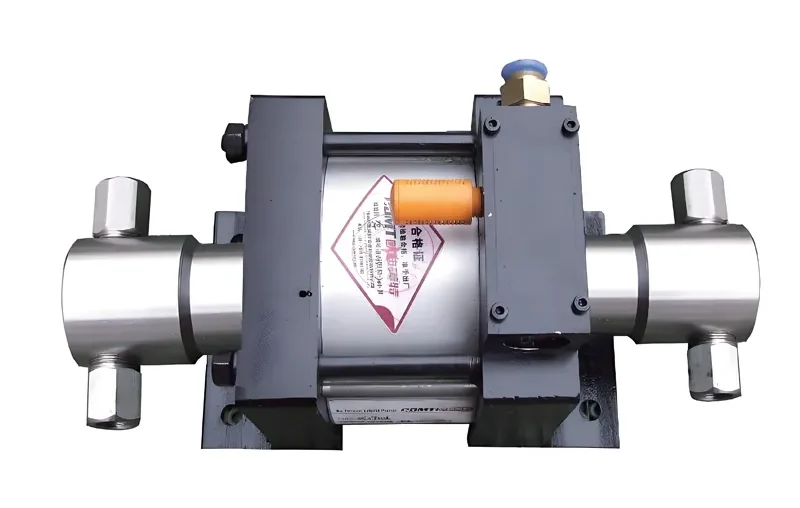
How do liquid pumps generate psi and stable outlet pressure?
To understand performance, buyers need to look at how liquid pumps build force. The drive section receives air pressure, and the liquid section converts that movement into higher fluid force. The resulting outlet pressure depends on the drive conditions, pump design, and the selected pressure ratio. This is why air-powered systems are often used as a booster in pressure testing and hydraulic service applications.
For example, if the input air is regulated correctly, the pump can generate controlled psi suitable for testing components, pressurizing fixtures, or feeding hydraulic tools. In many cases, outlet pressure is easily adjusted by changing the incoming air setting. That simple relationship between input air and fluid output is one of the reasons air-powered systems remain popular.
Well-designed liquid pumps also help reduce instability. Advanced pumps may create less pulsations and deliver approx the steady performance needed for testing or dosing work. If the design is correct, the unit can maintain pressure efficiently and respond well to minor demand changes, reducing the risk of a sudden drop in the outlet pressure during operation.
How does pressure ratio affect hydraulic pressure and booster performance?
The key to an air-powered booster is the pressure ratio between the air section and the liquid section. A higher pressure ratio means more pressure multiplication from the same input air. This is how a compact hydraulic pump can create strong fluid force with relatively modest compressed air input.
In practical terms, higher pressures obtained by using a more favorable design or a higher drive setting allow users to reach demanding test points. In fact, pressures obtained by using higher pressure at the drive side can raise system output significantly, as long as the pump and accessories are rated for it. This explains why an increase in the air drive often translates into higher fluid output.
The final result is a controlled relationship between pressure and the output pressure. When users understand that relationship, they can select the correct type of pump for testing, charging, and hydraulic service. For many industrial buyers, the appeal of a booster system is that it creates high force in a compact unit while still being easy to regulate.
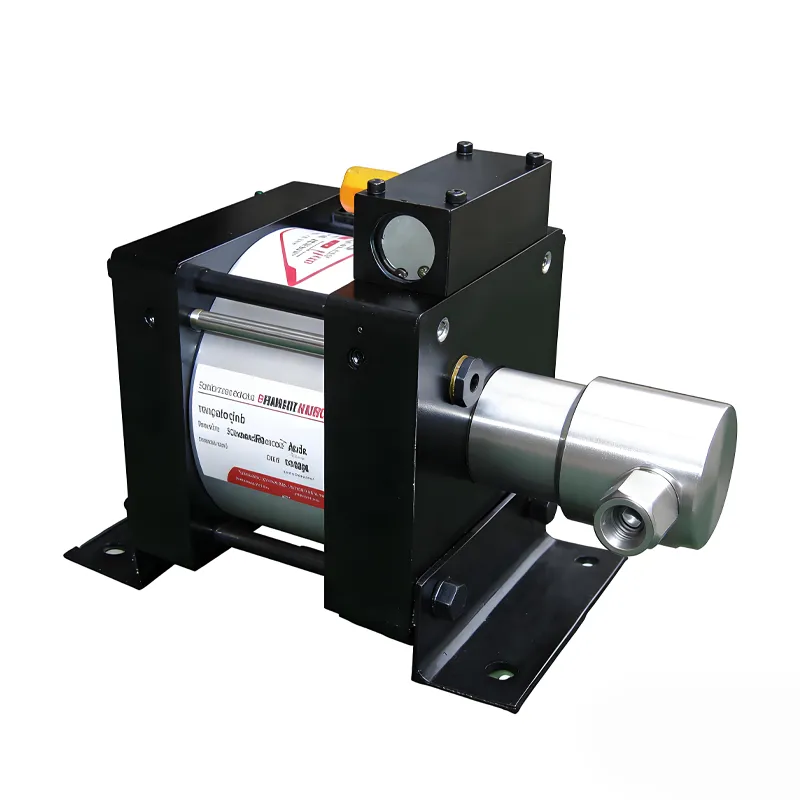
What is the difference between single acting and double acting pump designs?
Pump motion has a direct impact on flow and operating feel. A single acting design delivers output on one stroke, while a double acting design delivers on both strokes. The best choice depends on required flow, pressure stability, and application cycle. In general, air-driven models used for testing often prioritize pressure generation over continuous high flow.
Some systems use a pneumatic pressure booster with oscillating movement, while others are described as a pressure booster with oscillating movement for liquids or gases. These designs are effective because pumps cycle automatically according to demand. When the target pressure is reached, the pump stops automatically; when pressure falls, the system restarts.
This automatic behavior is efficient and practical. In many designs, the pump restarts automatically when the output pressure drops, or restarts with a slight drop in system pressure. That means users can maintain force without constant manual control, which is helpful in clamping, holding, and long-duration test operations.
Can an air driven liquid pump handle water, oil, and special media?
Yes, a quality air driven liquid pump can be configured for many fluids, including water, hydraulic oil, glycol solutions, and some specialty liquids. Selection depends on wetted materials, seal compatibility, target pressure, and cleanliness requirements. For water service, an excellent choice of water application is a stainless-compatible configuration that resists corrosion and maintains reliability.
Manufacturers often offer customer specific requirements with air solutions, especially for testing or production lines. This may include alternative seal materials, different body materials, and mounting options. In more specialized projects, users may have specific requirements with air driven pressure generation, or even requirements with air driven liquid handling for sensitive media or unusual duty cycles.
Material selection is critical. Some product families note that dgg pumps have aluminum bodies, while premium models may use aluminum bodies and wetted materials suited for aggressive environments. Depending on the medium, the wetted materials of stainless steel may be preferred over stainless steel or carbon steel combinations. These choices directly affect safety, corrosion resistance, and the lifetime of the pump.
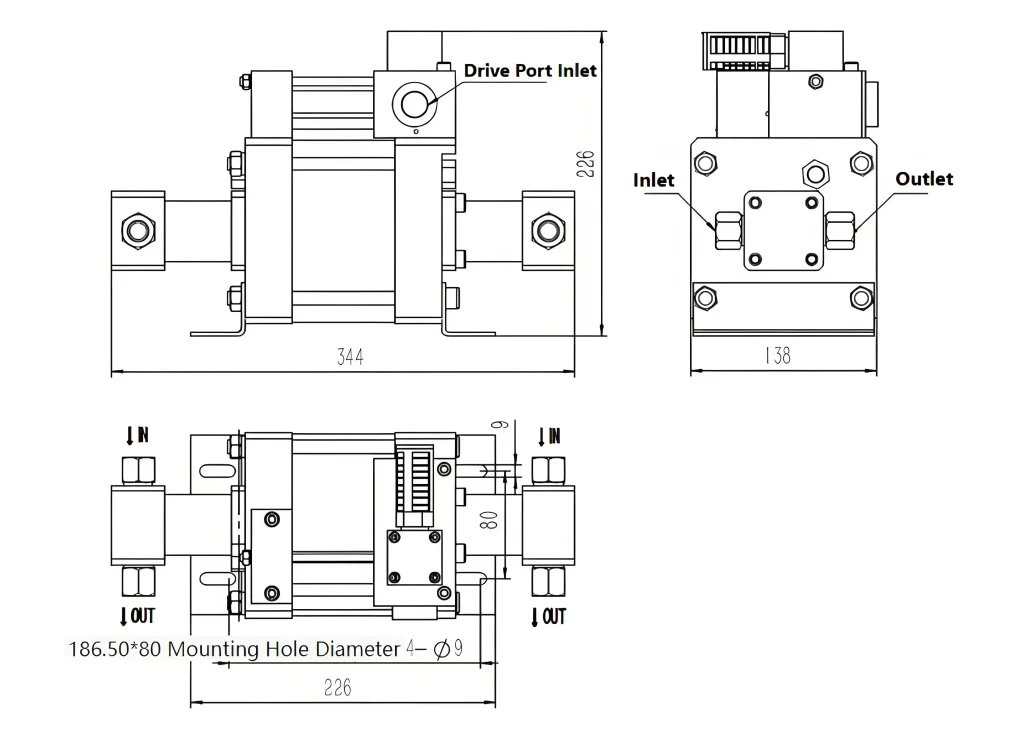
Why do air-driven systems remain a practical choice for modern factories?
Despite the growth of electric equipment, air-powered systems remain highly relevant because they are simple, safe, and adaptable. A well-designed air-driven hydraulic pump can support testing, clamping, transfer, and process pressure generation with minimal complexity. Where factories already have a plant air network, the cost and speed advantages are obvious.
They are also flexible for integration. The drive head can be configured for compact skids, bench systems, and mobile stations. Many pumps designed for industrial service are modular, easy to control, and able to restart automatically when process conditions change. That makes them effective for maintenance departments, OEM systems, and production lines.
Most importantly, they scale well. Whether a user needs a portable booster for service work, an air foot operated bench unit, or a permanent test station, the same air-driven principle works across many pressure levels. For buyers who value durability, safety, and easy control, air-powered solutions continue to be one of the most practical pressure technologies available.
What should buyers ask suppliers before placing an order?
Before ordering a hydraulic pump, buyers should confirm the medium, target pressure, flow requirement, material compatibility, and control method. They should ask whether the unit is air operated, whether it needs lubrication, and how the supplier recommends installation to order to extend the lifetime of the system.
It is also wise to ask how the pump behaves at the pressure limit. For example, does it stop at target pressure, is there a slight drop in the outlet before restart, and what happens when there is a sudden demand change? Reliable suppliers can explain why there may be a drop in the outlet pressure or a small variation in holding conditions, and how the system compensates.
Finally, buyers should request configuration support. The best suppliers can recommend the right valve, pressure control, fittings, and frame style based on actual application conditions. When a pump is matched correctly, it will provide stable service, long life, and efficient performance in both standard and customized pressure systems.
Key things to remember
- An air-powered hydraulic pump uses plant air to generate controlled fluid force without relying on a motor.
- An air drive system is especially useful where safety, simplicity, and compact installation matter.
- Liquid pumps can create high psi and strong output through a suitable pressure ratio and well-designed booster section.
- Correct inlet, air line, and air preparation are essential for stable operation and long service life.
- Single acting and double acting designs differ in flow pattern, response, and application fit.
- An air driven liquid pump can be tailored for water, oil, and special fluids through the right material and seal selection.
- Integrated power pack and bench systems make air-powered solutions practical for testing, maintenance, and production.
- Buyers should study the technical data, especially pressure limit, materials, and control method, before comparing pumps for sale.
- High-pressure packages up to 1500 bar are widely used in demanding industrial testing and process applications.
- The best results come from choosing a supplier that can match the pump to real operating conditions and provide a solution built around customer requirements.