



Why Do Ferrule Fittings Matter in High-Pressure Fluid Systems?
A small connection failure can create major problems in industrial systems. Leakage, unstable pressure, and poor sealing performance can reduce equipment reliability. Choosing the wrong ferrule fitting or incorrect installation method may affect the entire fluid control system.
A properly selected ferrule fitting provides a secure connection between tubing and equipment, helping industries achieve reliable sealing, accurate pressure control, and safer operation.
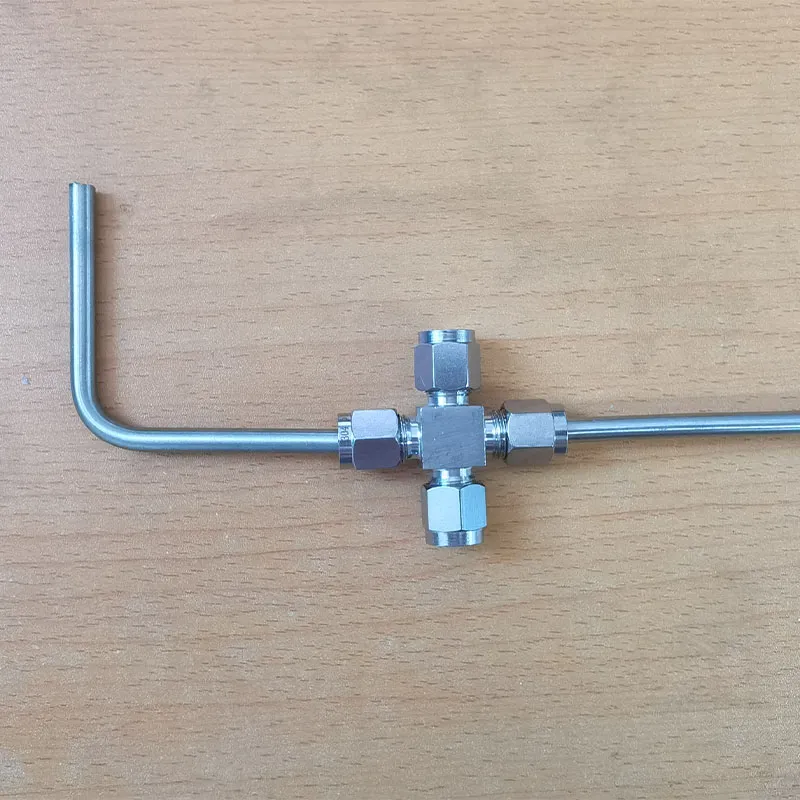
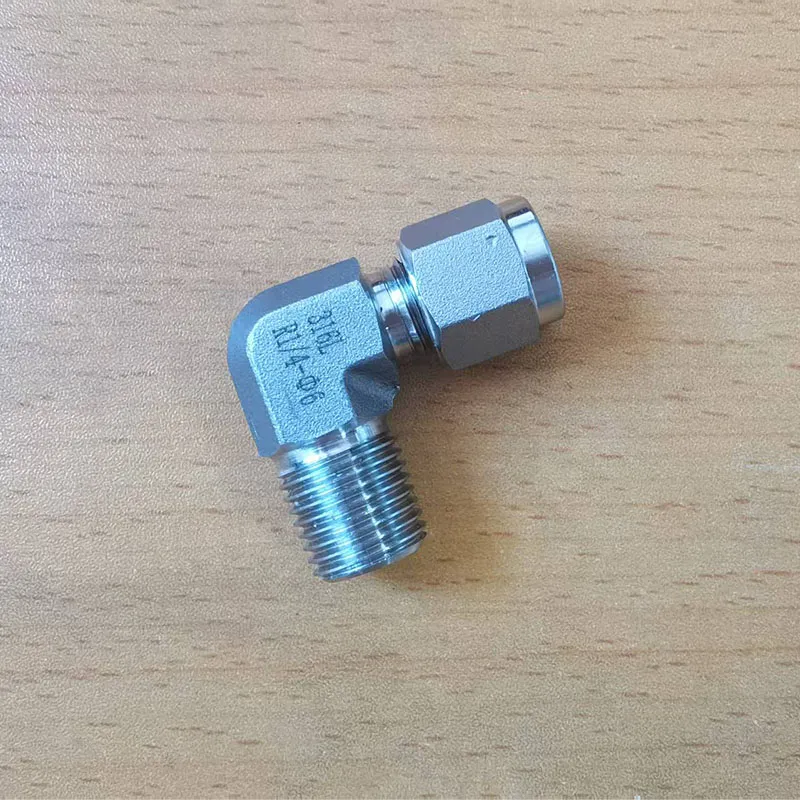
A ferrule fitting is a mechanical connection component that uses one or more ferrules to grip and seal tubing. It is widely used in instrumentation, pneumatic systems, hydraulic systems, and high-pressure applications because it provides reliable tube connections without welding.
What Is a Ferrule Fitting and How Does It Work?
A ferrule fitting is a type of tube connection system designed to join tubing with valves, instruments, manifolds, and other fluid control components.
The main purpose of a ferrule is to create a secure mechanical grip between the tube and the fitting body. During installation, tightening the nut pushes the ferrule forward, causing it to compress against the tubing surface and create a leak-proof connection.
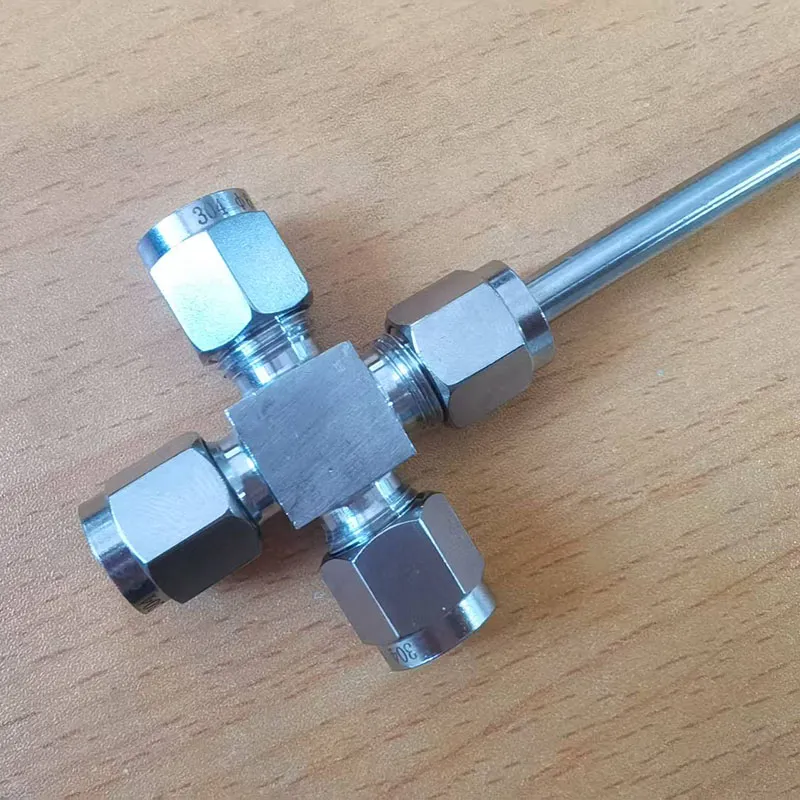
A typical ferrule fitting consists of several key parts:
| Component | Function |
| Fitting body | Main connection structure that holds tubing |
| Nut | Applies tightening force during installation |
| Ferrule | Creates mechanical grip and sealing |
| Tube | Carries liquid or gas through the system |
Unlike welded connections, compression fittings allow easier installation, maintenance, and replacement. This makes them popular in industrial applications where systems require frequent inspection or modification.
For high-pressure testing equipment, fluid control systems, and instrumentation applications, selecting the correct fitting design is essential because connection reliability directly affects system safety.
What Are the Different Types of Ferrule Fittings?
There are several types of ferrule designs available depending on pressure requirements, tubing materials, and application conditions.
The two most common categories are:
- Single ferrule fitting
- Double ferrule fitting
Understanding the differences between these designs helps engineers select the right solution for their application.
Single Ferrule Fitting
A single ferrule fitting uses one ferrule to grip and seal the tubing.
During installation, the ferrule is compressed between the nut and fitting body. The deformation creates contact between the ferrule and tubing, producing a secure connection.
Single ferrule systems are commonly used in:
- General instrumentation
- Low to medium pressure applications
- Pneumatic systems
- Basic fluid control applications
The advantages include:
- Simple structure
- Easy installation
- Lower component count
- Cost-effective solution
However, compared with a double ferrule design, the sealing performance and vibration resistance may be different depending on application conditions.
Double Ferrule Fitting
A double ferrule fitting uses two ferrules:
- Front ferrule
- Back ferrule
This design separates sealing and gripping functions.
The front ferrule creates the primary seal between the tube and the fitting body, while the back ferrule provides additional mechanical support by gripping the tubing.
A double ferrule design is often preferred for demanding applications because it provides:
- Better vibration resistance
- Improved sealing performance
- More reliable tube support
- Higher suitability for demanding environments
In high-pressure testing equipment, chemical systems, and precision instrumentation applications, double ferrule fitting solutions are widely selected because connection stability is critical.
Single Ferrule vs Double Ferrule Fitting: What Is the Difference?
The differences between single and double ferrule systems mainly relate to sealing structure and mechanical support.
| Feature | Single Ferrule Fitting | Double Ferrule Fitting |
| Number of ferrules | One ferrule | Two ferrules |
| Installation | Simple | More controlled |
| Sealing method | Ferrule compression | Front and back ferrule combination |
| Vibration resistance | Standard | Higher |
| Application | General tubing systems | High-performance instrumentation systems |
The choice between single ferrule vs double ferrule fitting depends on:
- Pressure level
- Temperature conditions
- Vibration environment
- Fluid type
- Required maintenance frequency
For example, a basic pneumatic system may use a single ferrule tube fitting, while a high-pressure testing system may require a double ferrule fitting for additional reliability.
How Does a Compression Fitting Create a Leak-Proof Connection?
A compression fitting works by using mechanical force to compress the ferrule onto the tubing.
During installation:
- The tube is inserted into the fitting body.
- The ferrule and nut are positioned correctly.
- The nut is tightened according to specifications.
- The ferrule deforms slightly and grips the tube.
- A sealed connection is created.
The purpose of a ferrule is not only to hold the tubing in place but also to maintain sealing performance under operating conditions.
A properly installed compression tube fitting provides:
- Reliable sealing
- Easy maintenance
- No welding requirement
- Fast assembly
- Flexible system modification
For industrial fluid control systems, these advantages make compression tube fittings widely used in instrumentation and pressure applications.
Why Are Ferrule Fittings Used in Instrumentation Systems?
Instrumentation systems require accurate measurement and stable fluid transmission. Even small leaks can influence pressure readings, calibration results, or equipment performance.
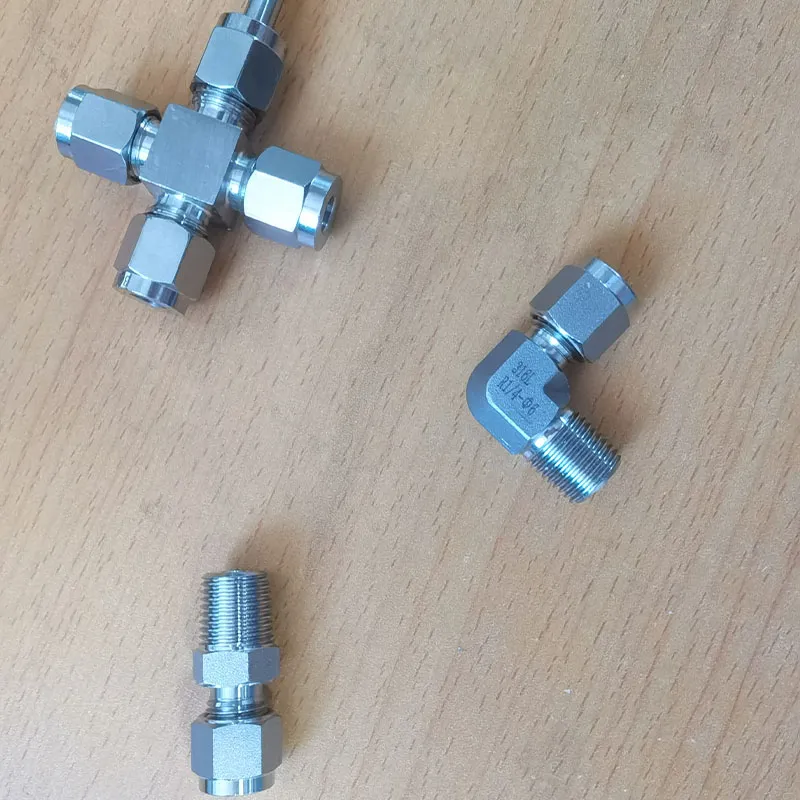
Instrumentation tube fittings are commonly used for connecting:
- Pressure transmitters
- Pressure gauges
- Control valves
- Sampling systems
- Testing equipment
- Measurement instruments
In high-pressure testing applications, fittings are essential components because they connect tubing with pressure instruments while maintaining system integrity.
Highlight provides high-pressure testing equipment and fluid control solutions where reliable connections are important parts of complete system performance.
Applications include:
- Valve testing equipment
- Pressure testing systems
- Leak detection equipment
- Liquid boosting systems
- Gas boosting systems
A suitable ferrule fitting helps ensure stable pressure transmission throughout the system.
What Materials Are Ferrule Fittings Made From?
Ferrule fittings are available in different materials depending on application requirements.
Stainless Steel Ferrule Fittings
Stainless steel is one of the most common materials because it offers:
- Corrosion resistance
- Good mechanical strength
- Long service life
- Compatibility with many industrial fluids
Stainless steel ferrule fittings are commonly used in:
- Chemical systems
- Laboratory equipment
- High-pressure applications
- Industrial instrumentation
Brass Ferrule Fittings
Brass fittings are also widely used where suitable corrosion resistance and cost efficiency are required.
Brass compression fittings are often applied in:
- General pneumatic systems
- Water systems
- Low-pressure applications
The material selection depends on:
- Fluid characteristics
- Pressure requirements
- Temperature range
- Environmental conditions
Choosing the correct material helps improve connection reliability and service life.
How to Install a Ferrule Fitting Correctly?
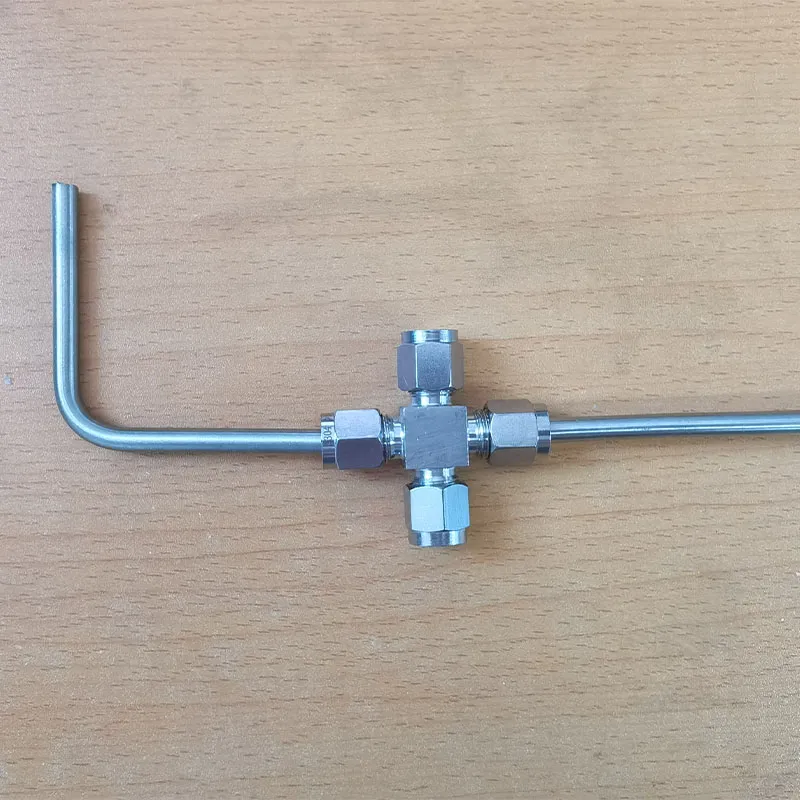
Correct installation is one of the most important factors affecting the performance of a ferrule fitting. Even a high-quality fitting may fail if the tubing preparation, alignment, or tightening process is incorrect.
For industrial applications, especially systems involving high pressure, instrumentation, and fluid control, following the fitting manufacturer’s specifications is essential.
The general installation process includes:
1. Prepare the Tubing
Before installing a ferrule fitting, the tubing surface should be clean and free from:
- Dirt
- Oil contamination
- Scratches
- Deformation
- Burrs
The tube end should be cut properly and remain round to ensure good contact with the ferrule.
Poor tubing preparation may prevent the ferrule from creating a reliable seal.
2. Insert the Tube Into the Fitting Body
The tubing should be fully inserted into the fitting body until it reaches the correct position.
The connection between the tube and the fitting body must remain aligned during installation.
Misalignment can cause:
- Uneven ferrule compression
- Leakage
- Reduced connection strength
Proper alignment is especially important for instrumentation tube fittings because these systems often require stable pressure transmission.
3. Tighten the Nut and Compress the Ferrule
During tightening, the nut pushes the ferrule forward.
The ferrule begins to deform and grip the tubing surface.
This process creates:
- Mechanical holding force
- Sealing contact
- Leak-proof performance
In a double ferrule design:
- The front ferrule creates the primary seal.
- The back ferrule provides additional tube gripping support.
The two-ferrule structure improves performance in demanding applications.
What Are the Benefits of Ferrule Fittings in Industrial Systems?
The benefits of ferrule fittings make them popular in many industrial applications.
Compared with welded connections, ferrule fittings provide easier installation and maintenance.
Major advantages include:
1. Reliable Sealing Performance
A properly installed ferrule fitting provides a secure connection between tubing and equipment.
This is important for:
- Pressure testing equipment
- Hydraulic systems
- Gas systems
- Instrumentation applications
A leak-proof connection helps maintain system stability.
2. Easy Installation and Maintenance
Ferrule fittings do not require welding equipment or complicated tools.
Technicians can install and replace fittings more efficiently.
This is useful for systems that require:
- Regular inspection
- Equipment modification
- Maintenance work
3. Suitable for High-Pressure Applications
Many industrial systems operate under demanding conditions.
A properly selected double ferrule fitting can provide reliable performance in:
- High-pressure testing systems
- Hydraulic pressure applications
- Laboratory equipment
- Industrial instrumentation
The fitting design, tubing material, and installation method must match the pressure requirements.
4. Flexible System Configuration
Ferrule fittings allow engineers to design flexible tubing systems.
They can connect:
- Tubes
- Valves
- Pressure instruments
- Manifolds
- Testing components
This flexibility is valuable for customized fluid control systems.
How Are Ferrule Fittings Used in High-Pressure Testing Equipment?
In high-pressure testing systems, every connection point matters.
A pressure system may contain:
- Pressure sources
- Valves
- Tubing
- Instruments
- Sensors
- Testing chambers
Each connection must maintain pressure integrity.
Highlight develops high-pressure testing equipment and fluid control systems where reliable connection components support overall system performance.
Typical applications include:
- Valve test benches
- Pressure testing equipment
- Leak detection systems
- Hydrostatic testing equipment
- Gas booster systems
- Liquid pressure testing systems
In these applications, the ferrule fitting helps connect tubing with:
- Pressure gauges
- Control valves
- Pressure transmitters
- Instrumentation components
A suitable fitting selection helps reduce potential leakage and improves system reliability.
Ferrule Fitting vs Traditional Pipe Fittings: Which One Should You Choose?
Both ferrule fittings and traditional pipe fittings have their own application areas.
| Feature | Ferrule Fitting | Traditional Pipe Fitting |
| Installation | Fast compression connection | Often requires threading or welding |
| Maintenance | Easier replacement | More complex maintenance |
| Application | Instrumentation and tubing systems | Larger piping systems |
| Precision | High | Depends on installation |
| Space requirement | Compact | Usually larger |
Ferrule fittings are typically preferred when systems require:
- Compact design
- Accurate instrumentation
- Frequent maintenance
- Reliable tube connections
For large industrial pipelines, other pipe connection methods may be more suitable.
Choosing the right fitting depends on the actual system design.
Single Ferrule vs Double Ferrule: How to Select the Right Design?
When choosing between a single ferrule and double ferrule design, engineers should evaluate the application conditions.
Choose a Single Ferrule Tube Fitting When:
- The system has moderate requirements
- Installation simplicity is important
- Pressure conditions are less demanding
- Cost efficiency is a priority
Choose a Double Ferrule Fitting When:
- Higher sealing reliability is required
- The system experiences vibration
- Long-term operation is expected
- High-pressure performance is important
The differences between single and double ferrule designs mainly come from the additional support provided by the second ferrule.
A double ferrule compression system separates gripping and sealing functions, creating a more stable connection.
What Problems Can Occur During Ferrule Fitting Installation?
Incorrect installation can reduce fitting performance.
Common problems include:
Leakage
Possible causes:
- Incorrect tightening
- Damaged tubing
- Incorrect ferrule position
- Poor tube preparation
Tube Movement
If the ferrule does not grip properly, the tubing may move under pressure.
Over-Tightening
Excessive force may deform the ferrule or tubing.
Incorrect Component Matching
Using the wrong ferrule, tubing size, or material may reduce sealing performance.
For reliable results, technicians should always follow installation instructions and verify that the fitting matches the application.
How to Choose the Right Ferrule Fitting for Your Application?
Choosing the right ferrule fitting requires understanding the complete system.
Important selection factors include:
Pressure Requirements
Higher pressure applications require stronger connection designs.
Fluid Medium
Consider whether the system uses:
- Water
- Hydraulic oil
- Gas
- Chemical fluids
- Tubing Material
Common tubing materials include:
- Stainless steel tubing
- Brass tubing
- Other industrial tubing materials
- Temperature Conditions
Extreme temperatures may affect material selection.
Application Type
Different systems may require different fitting designs.
For example:
| Application | Recommended Consideration |
| Instrumentation system | Precision tube fitting |
| High-pressure testing | Double ferrule fitting |
| Pneumatic system | Suitable compression fitting |
| Laboratory equipment | Stainless steel fitting |
Why Work With an Experienced Ferrule Fitting and Fluid Control Partner?
Industrial buyers need more than individual components. They need reliable engineering support.
Highlight focuses on complete fluid control and pressure testing solutions, including:
- High-pressure testing equipment
- Valve testing systems
- Leak detection equipment
- Liquid boosting systems
- Gas boosting systems
- Customized testing lines
For complex testing systems, every component—from pressure source to fitting connection—affects overall performance.
An experienced supplier can help customers evaluate:
- Fitting selection
- Tubing configuration
- Pressure requirements
- Testing environment
- System integration
This approach helps customers build safer and more reliable systems.
Conclusion: Selecting the Right Ferrule Fitting Improves System Reliability
A ferrule fitting may be a small component, but it plays an important role in industrial fluid systems.
From basic instrumentation connections to advanced high-pressure testing equipment, reliable fittings help maintain:
- Leak-proof connections
- Stable pressure transmission
- Safer operation
- Easier maintenance
Understanding the differences between single ferrule vs double ferrule fitting, selecting suitable materials such as stainless steel or brass, and following correct installation procedures are essential steps for achieving reliable performance.
For companies requiring professional pressure testing equipment and customized fluid control solutions, Highlight provides complete engineering support from system design to practical application.
FAQs
What is the main purpose of a ferrule fitting?
The purpose of a ferrule fitting is to connect tubing securely by using a ferrule to create mechanical gripping and sealing between the tube and fitting body.
What is the difference between single ferrule and double ferrule fittings?
A single ferrule fitting uses one ferrule for sealing and gripping, while a double ferrule fitting uses front and back ferrules to separate sealing and tube support functions.
Are stainless steel ferrule fittings suitable for high-pressure applications?
Yes, stainless steel ferrule fittings are commonly used in industrial applications because they provide good strength, corrosion resistance, and durability.
How do you install a ferrule fitting correctly?
To install a ferrule fitting, prepare the tubing, insert it into the fitting body, position the ferrule correctly, and tighten the nut according to the manufacturer’s instructions.
Why are double ferrule fittings used in instrumentation systems?
Double ferrule fittings provide improved sealing and tube support, making them suitable for instrumentation systems where accuracy and reliability are important.
Can ferrule fittings be used in pressure testing equipment?
Yes. Ferrule fittings are commonly used in pressure testing equipment, fluid control systems, and instrumentation applications where secure tube connections are required.
 English
 Français
 Русский
 Español
 Português
 العربية
 Tiếng Việt
 한국어
한국어 Bahasa Indonesia
 Deutsch
 Türkçe
 Italiano