



Introduction: Why Piping Pressure Testing Matters
Piping pressure testing is a critical inspection process used to verify whether a pipeline system can safely withstand its designed operating pressure without leakage, deformation, or failure before being placed into service.
Depending on the application, engineers may select hydrostatic testing or pneumatic testing based on the piping material, process requirements, safety considerations, and applicable standards.
Hydrostatic testing uses water or another liquid medium, while pneumatic testing uses compressed air or nitrogen. The selected testing method directly affects:
- Safety risks
- Test pressure control
- Required equipment
- Test duration
- Inspection procedures
- Cost
- Documentation requirements
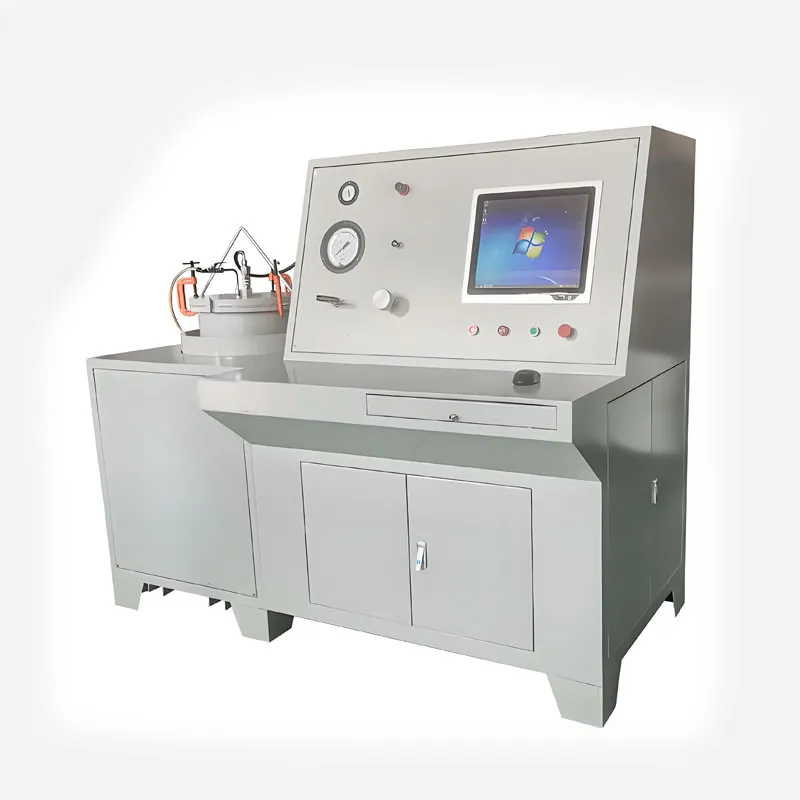
For industrial applications, selecting suitable pressure testing equipment is just as important as selecting the correct testing method. A properly configured hydrostatic test machine, pressure test system, or customized testing skid can significantly improve testing accuracy and operational safety.
Unlike simple code summaries, this guide explains pressure testing from the equipment and operator perspective — including how hydrostatic and pneumatic testing work, where problems occur, and how to choose suitable testing equipment.
Hydrostatic vs Pneumatic Testing: Which Method Applies to Your Pipeline?
The choice between hydrostatic testing and pneumatic testing is usually determined by the piping system itself rather than personal preference.
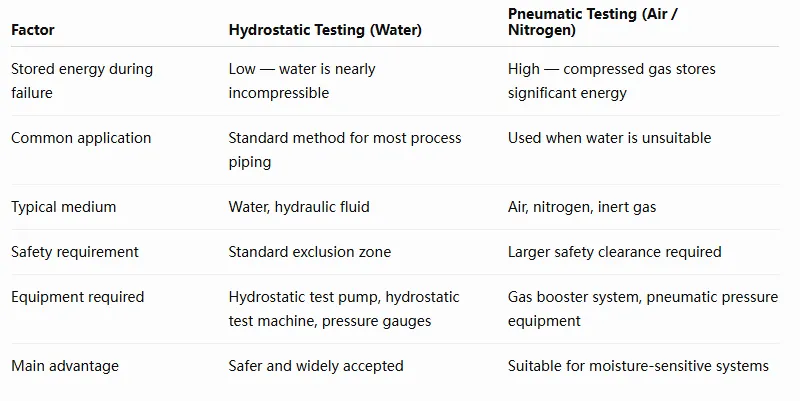
Hydrostatic testing is generally preferred because liquids store much less energy than compressed gases.
However, pneumatic testing may be selected when:
- The pipeline cannot support water weight
- Remaining moisture may damage the process
- The system contains cryogenic equipment
- Dry testing is required
For either method, the testing system must be properly designed. A suitable pressure test system should match:
- Required pressure range
- Test volume
- Medium compatibility
- Testing frequency
- Requisiti relativi alla registrazione dei dati
What Is Hydrostatic Testing?
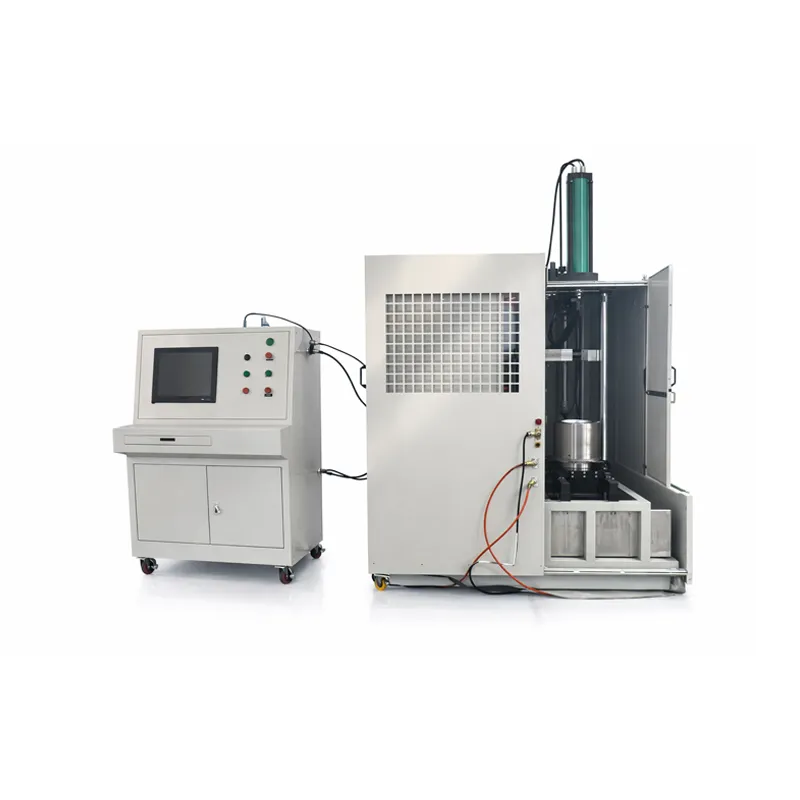
Hydrostatic testing is a pressure inspection method that uses water or another liquid medium to pressurize a piping system.
During a hydrostatic pressure test, the system is filled completely, air is removed, pressure is gradually increased, and the system is held at the specified test pressure.
- A complete hydrostatic testing equipment package may include:
- Hydrostatic test pump
- Manometri
- Pressure regulators
- Valvole di regolazione
- Test manifolds
- Sensori di pressione
- Data acquisition system
- Dispositivi di protezione e sicurezza
Industrial users often select a customized hydrostatic test bench when testing:
- Pipelines
- Valves
- Recipienti a pressione
- Cilindri
- Hoses
- Industrial components
What Is Pneumatic Testing?
Pneumatic testing uses compressed air, nitrogen, or another gas to verify system integrity.
Because gases are compressible, pneumatic testing involves higher safety risks than hydrostatic testing.
Pneumatic testing is normally selected only when:
- Liquid testing is impossible
- Water contamination must be avoided
- The system requires dry conditions
- Equipment weight limitations exist
A pneumatic test requires careful control of:
- Pressurization speed
- Safety distance
- Pressure monitoring
- Leak detection
- Emergency depressurization
Step-by-Step Hydrostatic Test Procedure
1. Isolate the Test Section
Before starting the hydrostatic pressure test:
- Install blinds or isolation plates
- Confirm valve isolation
- Check the P&ID
- Remove instruments unsuitable for test pressure
The test section must be completely separated from operating systems.
2. Fill Slowly and Remove Trapped Air
The pipeline should be filled gradually.
High-point vents must be opened to remove trapped air.
Although hydrostatic testing uses liquid, remaining air pockets can create additional stored energy and reduce test accuracy.
This is why proper filling procedures are essential.
3. Increase Pressure Gradually
Pressure should be increased in stages rather than immediately reaching maximum test pressure.
During pressurization:
- Observe gauge stability
- Check connections
- Inspect possible leakage points
- Confirm pressure response
A stable hydrostatic test pump helps achieve controlled pressure increase.
4. Hold Pressure and Inspect
Once the target pressure is reached:
- Maintain pressure for the required duration
- Inspect welds
- Check flanges
- Observe joints
- Record pressure changes
A professional hydrostatic pressure test system can improve monitoring accuracy through electronic sensors and automatic recording.
5. Depressurize and Drain Safely
After testing:
- Release pressure gradually
- Drain from low points
- Avoid vacuum formation
- Record final test results
Step-by-Step Pneumatic Test Procedure
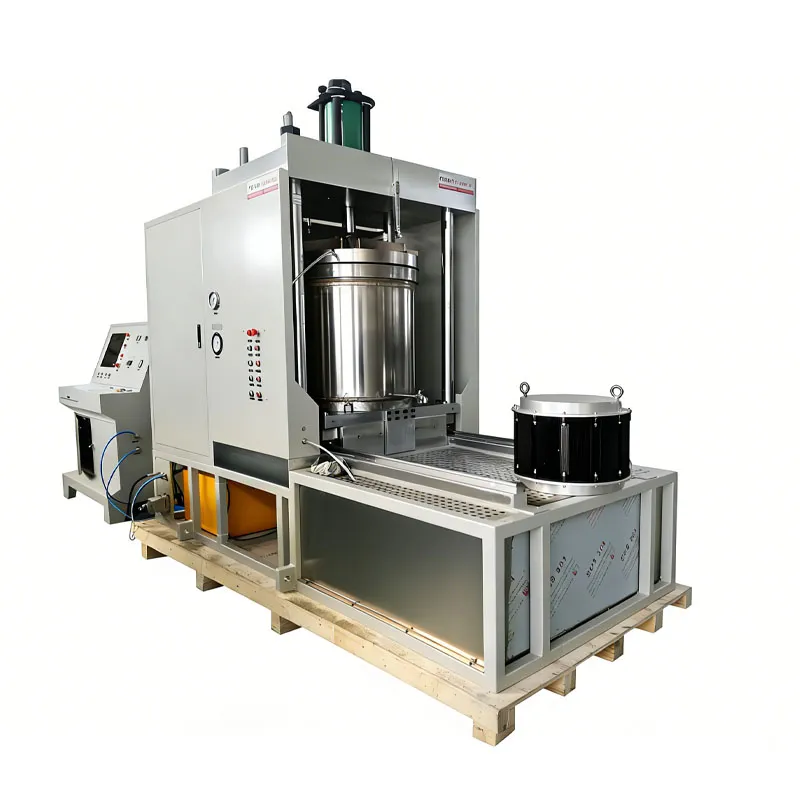
Pneumatic testing requires stricter safety control.
1. Confirm Pneumatic Testing Is Necessary
Before testing:
- Review engineering requirements
- Confirm water testing limitations
- Complete safety approval
Pneumatic testing should not be selected simply because it appears faster.
2. Establish Safety Exclusion Area
Compressed gas contains significant stored energy.
Before pressurization:
- Define safety zones
- Restrict personnel access
- Confirm emergency procedures
3. Increase Pressure in Steps
Pressure should be increased gradually.
At each stage:
- Check pressure stability
- Inspect joints
- Perform approved leak detection
4. Monitor Temperature Conditions
Testing temperature must remain within acceptable limits.
Low metal temperature can increase brittle fracture risks.
5. Record Test Results
The test record should include:
- Test pressure
- Holding time
- Leakage observations
- Repair information
- Retest results
Hydrostatic Test Equipment: What Does the System Actually Control?
A professional hydrostatic test equipment solution does more than simply generate pressure.
A complete system may include:
- Pressure generation
- Regolazione della pressione
- Mantenimento della pressione
- Leakage monitoring
- Controllo automatico della pressione
- Data recording
- Misure di sicurezza
Depending on the application, industrial pressure testing equipment can perform:
- Hydrostatic testing
- Pneumatic leakage testing
- Prove di resistenza allo scoppio
- Pressure decay testing
- Fatigue cycle testing
- Test di tenuta della pressione
A modern pressure test system is usually customized according to:
- Component type
- Required pressure
- Terreno di prova
- Test volume
- Operating frequency
- Applicable standard
A supplier providing only a maximum pressure number without understanding the application may not be providing a complete engineering solution.
How to Select the Right Hydrostatic Test Machine?
Choosing a hydrostatic test machine requires more than checking maximum pressure.
Important selection factors include:
Pressione massima di prova
Confirm:
- Working pressure
- Proof pressure
- Burst pressure
- Pressure holding requirement
Mezzo di prova
The system must match the testing fluid:
- Acqua
- Olio idraulico
- Chemical liquid
- Special process medium
Material compatibility affects:
- Pump structure
- Seal selection
- Valve materials
- Requisiti di manutenzione
Test Volume
Large-volume pipelines require different equipment compared with small components.
Important parameters include:
- Filling time
- Pressurization speed
- Flow requirement
- Pressure stabilization time
Automation Requirements
Options include:
Manual system
Suitable for:
- Officine di manutenzione
- Occasional testing
- Low-volume inspection
Automatic system
Suitable for:
- Production lines
- Laboratory testing
- High-volume inspection
Automatic systems may include:
- Controllo PLC
- HMI operation
- Pressure curve recording
- Report automatici
- Archiviazione dei dati
Leak Testing and Pressure Decay Testing Applications
Besides hydrostatic testing, many industries require leakage inspection.
A leak test machine can evaluate:
- Valve leakage
- Pipeline leakage
- Component sealing
- Housing integrity
Pressure decay testing is commonly used when small leakage rates must be detected.
Compared with visual inspection alone, pressure-decay methods provide:
- Higher sensitivity
- Quantitative results
- Repeatable testing
- Automated judgment
Burst Testing and Fatigue Testing
Some industrial components require more than pressure holding.
A customized testing system may include:
Burst Testing
Used to determine:
- Maximum failure pressure
- Material strength
- Safety margin
Applications include:
- Pipes
- Hoses
- Recipienti a pressione
- Componenti
Fatigue Testing
Fatigue testing evaluates long-term durability through repeated pressure cycles.
Applications include:
- Hydraulic components
- Valves
- Pipelines
- Pressure equipment
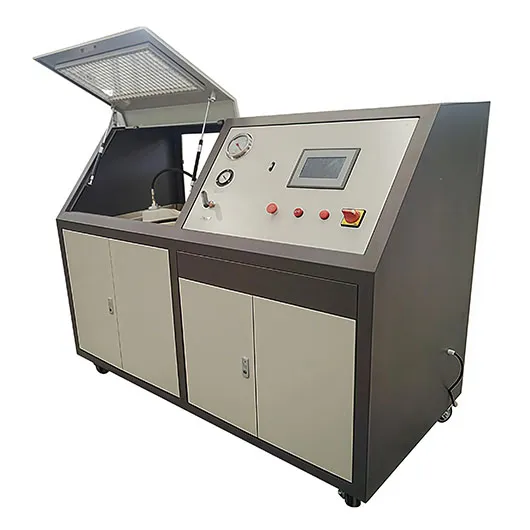
A complete burst test equipment or fatigue testing system requires accurate pressure control and reliable data recording.
What Factors Affect Pressure Testing Equipment Cost?
The cost of a pressure testing system depends on:
Pressure Range
Higher pressure requires:
- Stronger components
- Better seals
- More precise machining
Medium Compatibility
Special fluids may require:
- Stainless steel parts
- Chemical-resistant seals
- Special cleaning procedures
Automation Level
Manual systems cost less than:
- PLC-controlled systems
- Automatic cycling systems
- Data-recording systems
Requisiti di collaudo
Additional functions increase cost:
- Leak detection
- Prove di resistenza allo scoppio
- Fatigue cycling
- Automatic reporting
- Safety enclosure
How to Choose a Pressure Testing Equipment Manufacturer?
A professional pressure testing equipment manufacturer should evaluate:
- Application requirements
- Testing standards
- Equipment configuration
- Requisiti di sicurezza
- Long-term operating conditions
Before purchasing, buyers should prepare:
- Pressione di prova richiesta
- Terreno di prova
- Component dimensions
- Frequenza dei test
- Automation requirements
- Requisiti relativi alla registrazione dei dati
- Applicable standards
A reliable manufacturer should recommend a complete testing solution rather than only providing a catalog pressure rating.
Highlight Customized Pressure Testing Solutions
Highlight provides customized industrial testing solutions including:
- Hydrostatic test equipment
- Hydrostatic test machines
- Hydrostatic test pumps
- Apparecchiature per il test della pressione
- Leak test machines
- Burst test equipment
- Pneumatic testing systems
- Sistemi personalizzati per prove di pressione
Solutions can be designed for:
- Pipelines
- Valves
- Recipienti a pressione
- Cilindri
- Hoses
- Industrial components
Through engineering customization, Highlight helps customers select suitable equipment according to:
- Pressure requirements
- Testing standards
- Production conditions
- Requisiti di sicurezza
Highlight offre engineered testing solutions for industrial customers requiring reliable hydrostatic testing, pneumatic testing, leak testing, burst testing, and fatigue testing equipment.
Contatti in primo piano to discuss your piping pressure test requirements and receive a customized testing solution.
 English
 Français
 Русский
 Español
 Português
 العربية
 Tiếng Việt
 한국어
한국어 Bahasa Indonesia
 Deutsch
 Türkçe
 Italiano