



On-site installation is an important stage in preparing petroleum storage tank equipment for its intended application. Proper equipment positioning, connection, and coordination with the surrounding system help establish the conditions needed for subsequent inspection and testing. Highlight provides industrial testing equipment and fluid control solutions for customers working with petroleum storage tank accessories and related equipment.
On-Site Installation of Petroleum Storage Tank Equipment
Petroleum storage tank systems can incorporate different accessories and related components. Depending on the system design, these components may require dedicated inspection, testing, or maintenance equipment.
On-site installation is an important part of preparing equipment for use. The installation process should follow the equipment manufacturer’s instructions, the approved project requirements, and the conditions at the installation site.
Highlight supports industrial customers with equipment-related services and solutions for pressure testing, valve testing, and fluid control applications.
Petroleum Storage Tank Accessories and Testing Equipment
Petroleum storage tank accessories are associated with the operation and management of storage tank systems. The exact accessories used depend on the tank design and application.
For customers working with tank accessories, suitable inspection and testing equipment can be important when evaluating the condition or performance of relevant components.
Highlight’s related equipment category includes the Mobile Petroleum Storage Tank Accessories Comprehensive Test Bench, which is designed for testing applications involving petroleum storage tank accessories. The exact functions and compatible components should be confirmed against the specific equipment configuration.
Комплексный испытательный стенд для мобильных резервуаров для хранения нефтепродуктов
The Mobile Petroleum Storage Tank Accessories Comprehensive Test Bench is a relevant equipment category for customers looking for dedicated petroleum tank accessory testing solutions.
A comprehensive test bench provides a platform for testing the components it is designed to accommodate. Its actual testing capabilities depend on the equipment configuration, connection arrangements, and specified testing procedures.
For industrial buyers evaluating petroleum storage tank accessories testing equipment, important considerations may include the accessory type, required test items, operating conditions, and compatibility with the intended application.
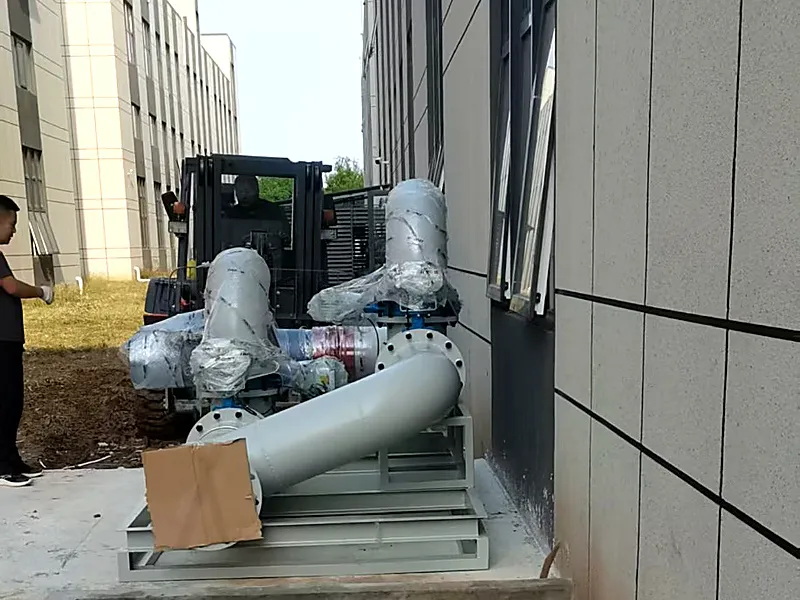
Why Is On-Site Equipment Installation Important?
On-site installation connects the equipment with its intended working environment. Before equipment is placed into service, the installation should be checked against the manufacturer’s instructions and project requirements.
Depending on the equipment design, relevant considerations may include:
- Equipment positioning and accessibility
- Connection arrangements
- Supporting components and pipelines
- Compatibility with the intended application
- Access for inspection and maintenance
- Applicable operating and safety requirements
The specific installation tasks vary by equipment type. These considerations should not be interpreted as confirmation that every item was part of this particular project.
Petroleum Tank Accessory Testing Applications
Testing requirements for petroleum storage tank accessories vary according to the component and its intended function. Different components may require different inspection methods and testing arrangements.
When selecting a petroleum storage tank accessories test bench, customers should identify the components to be tested and the relevant testing requirements before confirming the equipment configuration.
Important selection factors may include:
- Types of tank accessories
- Обязательные процедуры испытаний
- Testing medium, where applicable
- Required operating conditions
- Connection and fixture requirements
- Control and measurement requirements
The final configuration should be based on the actual application rather than assumptions about the tank or its accessories.
Highlight’s Industrial Testing Equipment Solutions
Highlight focuses on high-pressure testing equipment and fluid control systems for industrial applications.
Its product and solution categories include:
- Petroleum Storage Tank Accessories Comprehensive Test Bench
- Стенд для испытания предохранительных клапанов
- Стенд для испытания предохранительных клапанов с компьютерным управлением
- Испытательный стенд для предохранительных клапанов с ручным управлением
- Онлайновый стенд для испытания предохранительных клапанов
- Оборудование для испытаний под давлением
- Gas Booster Systems
- Liquid Booster Systems
- Leak Detection Equipment
- Оборудование для гидростатических испытаний
These categories serve different testing and fluid control requirements. The suitable equipment depends on the customer’s application, testing objectives, and technical specifications.
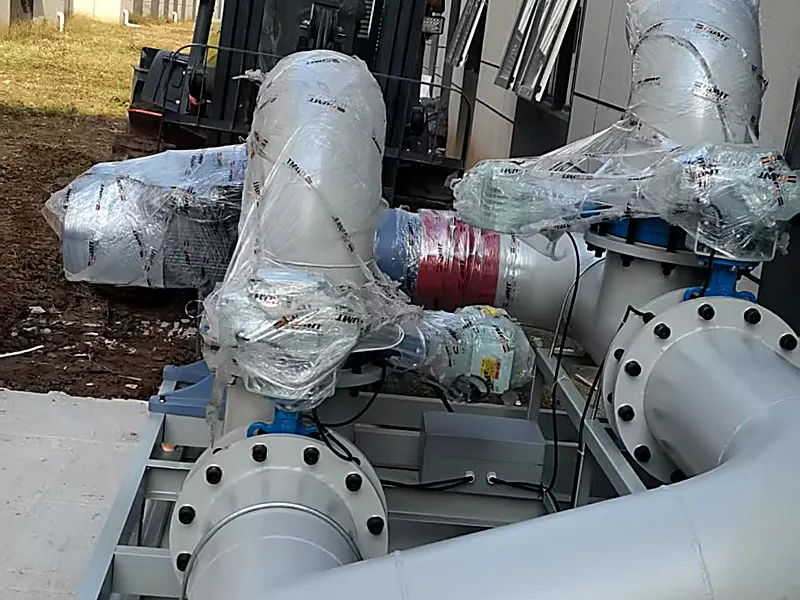
Installation and Technical Support
For industrial equipment projects, installation is one part of the overall equipment service process. Depending on the project scope, customers may also require technical communication, commissioning, operation guidance, or after-sales support.
The services required should be agreed upon according to the equipment supplied and the customer’s needs.
Highlight supports industrial customers with equipment and technical solutions related to pressure testing, valve testing, gas boosting, liquid boosting, and petroleum storage tank accessory testing.
How to Select Petroleum Storage Tank Testing Equipment
Selecting suitable equipment begins with a clear understanding of the application.
Customers considering a petroleum storage tank accessories test bench should establish which components need to be tested and what procedures the equipment must support. The manufacturer can then assess the relevant configuration and technical requirements.
Before purchasing equipment, buyers should confirm:
- The types of petroleum storage tank accessories involved.
- The required testing items and procedures.
- The operating conditions and applicable safety requirements.
- The required fixtures, connections, and measurement functions.
- The installation environment and technical support needs.
Providing these details helps avoid selecting equipment that does not match the intended testing application.
 English
 Français
 Русский
 Español
 Português
 العربية
 Tiếng Việt
 한국어
 Bahasa Indonesia
 Deutsch
 Türkçe
 Italiano