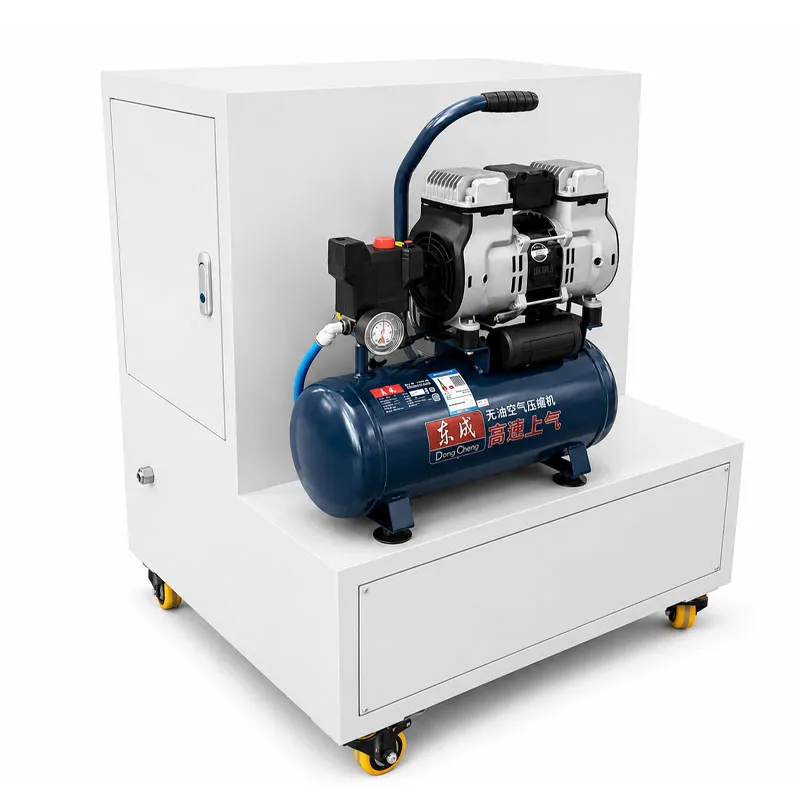
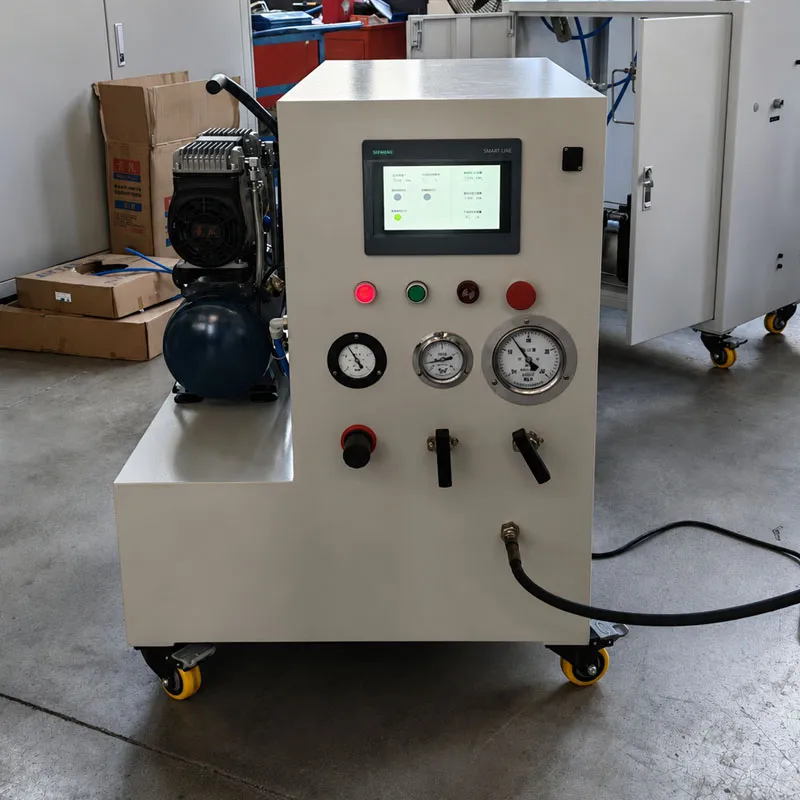
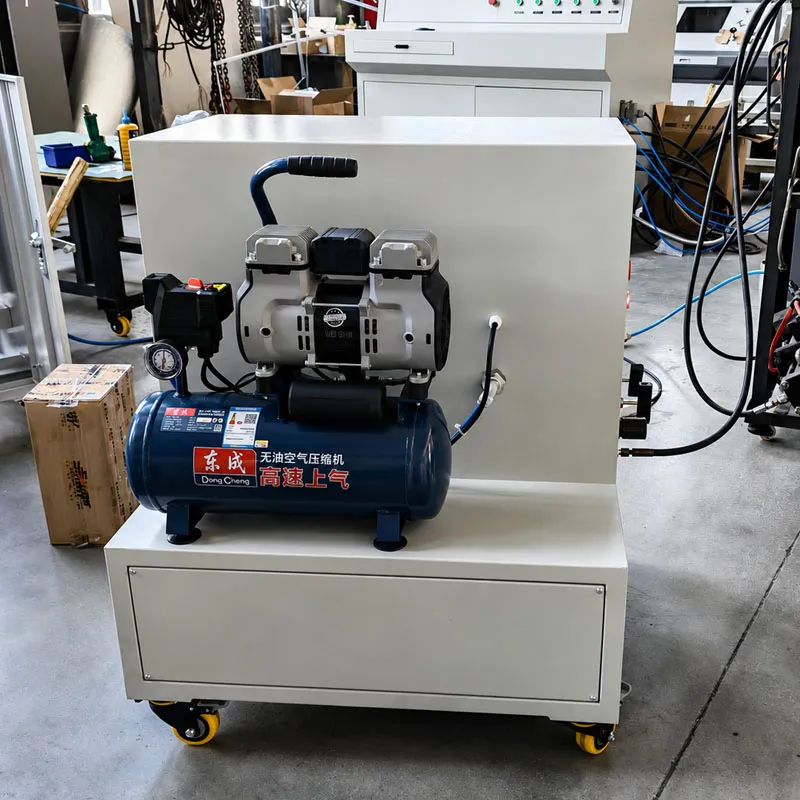
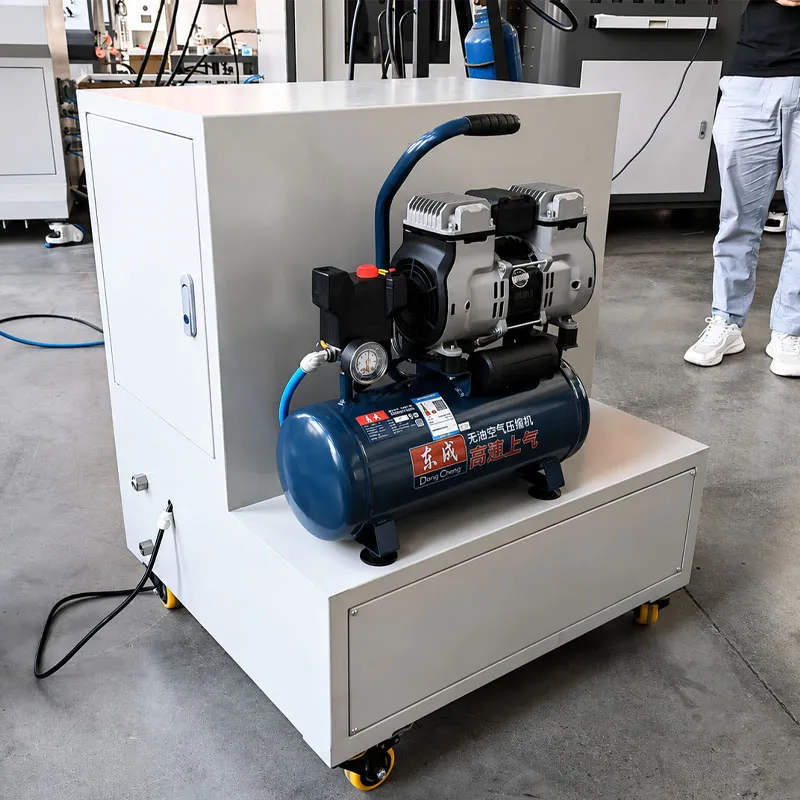
The Laboratory Hydrogen Booster System is used to increase hydrogen pressure through a pneumatic gas booster pump and deliver the pressurized hydrogen into a reactor. It is developed for laboratory projects where energy efficiency, clean gas handling, and stable output pressure are important.
For hydrogen research environments, electric boosting systems may consume more energy and may create concerns about medium contamination. This pneumatic hydrogen booster system provides an alternative solution with lower energy use, accurate output pressure control, lower noise, and no secondary contamination to the gas medium.
The system can be selected according to inlet pressure, required outlet pressure, reactor pressure demand, installation space, and laboratory operating conditions. For project quotation, buyers should provide the hydrogen source pressure, target pressure, reactor connection requirements, and any control or safety requirements.
| Technischer Hinweis | Provided Specification / Feature | Vorteile für den Käufer |
| Produkttyp | Wasserstoff-Druckerhöhungssystem für Laborzwecke | Designed for hydrogen pressurization before reactor use |
| Modell | MGS-OMD40-P | Provides a clear reference model for inquiry and selection |
| Boosting Method | Pneumatic Booster Pump | Helps reduce energy consumption compared with electric boosting |
| Gas Medium | Hydrogen | Suitable for hydrogen-related laboratory and research applications |
| Minimum Gas Inlet Pressure | 15 bar | Supports laboratory hydrogen boosting from the provided inlet pressure condition |
| Maximum Gas Inlet Pressure | 320 bar | Allows selection based on high-pressure hydrogen source conditions |
| Maximum Allowable Gas Outlet Pressure | 320 bar | Supports high-pressure hydrogen supply for reactor-related experiments |
| Hauptanwendungsbereiche | Research laboratories, university laboratories | Matches scientific research and hydrogen energy testing environments |
Funktionen und Merkmale
- Supports Hydrogen Pressurization For Laboratory Reactor Feeding Applications
- Uses A Pneumatic Gas Booster Pump To Boost Low-Pressure Hydrogen To The Required Pressure
- Model MGS-OMD40-P Designed For Scientific Research And University Laboratory Use
- Minimum Gas Inlet Pressure Is 15 Bar According To Provided Product Data
- Maximum Gas Inlet Pressure And Maximum Allowable Gas Outlet Pressure Are Both 320 Bar
- Helps Reduce Energy Consumption Compared With Electric Hydrogen Boosting Methods
- Provides Precise Output Pressure Control For Experimental Hydrogen Supply
- Low-Noise Operation Supports A More Suitable Laboratory Working Environment
- Oil-Free Gas Boosting Process Helps Avoid Secondary Contamination Of The Hydrogen Medium
- Suitable For Hydrogen Energy Research Institutes And Laboratory Gas Pressure Systems
Produktvorteile
1. Pneumatic Boosting With Lower Energy Consumption
The system uses a pneumatic booster pump to pressurize hydrogen, helping reduce energy consumption compared with electric boosting methods in laboratory applications.
2. Precise Output Pressure Control
The hydrogen booster system is designed to support accurate output pressure control, which is important for reactor feeding and controlled laboratory experiments.
3. No Secondary Contamination To The Gas Medium
The boosting process helps avoid secondary contamination of the hydrogen medium, making it suitable for research environments where gas cleanliness is important.
4. Suitable For Laboratory Reactor Applications
The system is designed to boost hydrogen to the required pressure before entering a reactor, matching the needs of scientific research laboratories and university laboratories.
5. Lower Noise For Laboratory Environments
Compared with heavy electric boosting equipment, the system is positioned for lower-noise operation, helping create a more suitable working environment for laboratory users.
6. High-Pressure Capability Up To 320 Bar
According to the provided product data, the maximum allowable gas outlet pressure is 320 bar, supporting high-pressure hydrogen supply requirements in qualified laboratory systems.
Unsere Unternehmensvorteile
Highlight konzentriert sich auf das Design und die Herstellung von Druckprüfgeräten und Systemen zur Fluidkontrolle, unterstützt sowohl Standardmodelle als auch projektbasierte Anpassungen.
- Über 16 Jahre Erfahrungen mit Druckprüfgeräten und pneumatischen Hebesystemen
- Jährliche Produktionskapazität: 1000+ Geräte
- Über 8000 Kunden bedient
- Implementierung eines auf ISO9001 basierenden Qualitätsmanagementsystems und stabile Fertigungskontrolle
- Starkes Ingenieurteam für die Konfiguration von Testbänken, Anpassung von Vorrichtungen und technischen Support
- Erfahrung im Export zur Unterstützung internationaler Käufer mit technischer Kommunikation und Dokumentation
Customization Options
For customized laboratory hydrogen pressurization projects, the following details should be confirmed:
- Hydrogen inlet pressure
- Required outlet pressure
- Reactor connection requirements
- Gas flow requirement
- Operating frequency and working cycle
- Pneumatic drive source condition
- Pressure control and monitoring requirements
- Installation space and system layout
- Required valves, gauges, fittings, and safety components
- Documentation or project-specific requirements



 English
 Français
 Русский
 Español
 Português
 العربية
 Tiếng Việt
 한국어
한국어 Bahasa Indonesia
 Deutsch
 Türkçe
 Italiano